White Chocolate Cranberry Blondies
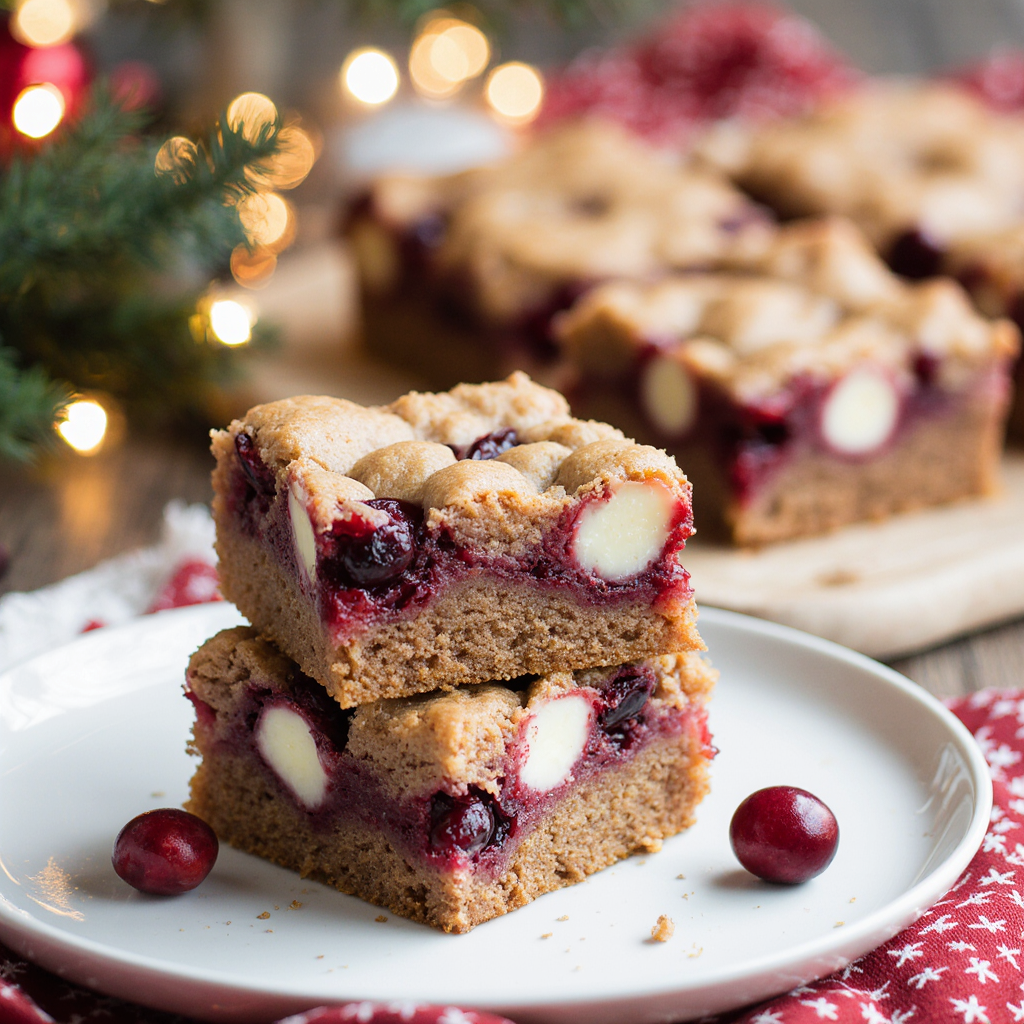
White Chocolate Cranberry Blondies
These white chocolate cranberry blondies achieve ideal chewy texture through brown butter development, precise sugar ratios, and controlled baking time that leaves the center slightly underdone. The method emphasizes proper butter browning for nutty complexity, gentle mixing to prevent tough texture, and strategic ingredient distribution for balanced flavor in every bite. The result is bars with crisp edges, chewy centers, sweet white chocolate contrast against tart cranberries, and rich butterscotch undertones from browned butter and brown sugar combination.
Why this recipe works
Brown butter foundation. Cooking butter until milk solids caramelize creates hundreds of flavor compounds that transform simple blondies into complex confections. The nutty, toasted notes from browned butter complement white chocolate’s sweetness while adding depth that regular melted butter cannot provide. The 3/4 cup butter quantity provides enough fat for tender texture without making bars greasy. Cooling browned butter slightly before mixing prevents eggs from scrambling while maintaining the fluid consistency needed for proper incorporation. The golden-brown color and nutty aroma signal perfect browning – too light lacks flavor development, too dark tastes burnt.
Brown sugar chemistry. Using 1 1/2 cups packed brown sugar rather than granulated creates the characteristic butterscotch flavor and chewy texture that defines blondies. Brown sugar contains molasses which is hygroscopic, attracting and retaining moisture for soft, chewy results that stay fresh longer. The molasses also contributes mineral complexity and slight bitterness that balances sweetness. Packing brown sugar ensures accurate measurement – loose brown sugar yields dry, crumbly bars. The interaction between brown sugar’s acidity and baking powder creates proper lift without excessive rise that would make bars cakey rather than dense and chewy.
Minimal mixing technique. Whisking wet ingredients until smooth develops emulsion, but folding flour just until combined prevents gluten development that would create tough, bread-like texture. Over-mixing blondie batter activates gluten strands, resulting in bars that are dense and chewy in an unpleasant way rather than tender-chewy. The gentle folding motion incorporates flour while maintaining the delicate crumb structure. Streaks of flour are acceptable at first – they’ll hydrate during baking. This hands-off approach produces the melt-in-mouth texture that distinguishes excellent blondies from merely acceptable ones.
Strategic underbaking. Removing blondies when the center appears slightly underdone is crucial – carryover heat continues cooking during cooling, and the center will firm up to perfect chewy consistency. The 25-28 minute baking time creates set edges with soft centers. Overbaking produces dry, crumbly bars that lack the signature chewy texture. The toothpick test should show moist crumbs, not clean or wet batter. Visual cues matter more than time – look for edges pulling away from pan sides while center still appears shiny and slightly jiggly. This controlled underbaking is the secret to bakery-quality blondies.
White chocolate and cranberry balance. The 1 cup white chocolate chunks provide creamy sweetness that melts into pockets of richness throughout bars. White chocolate’s cocoa butter content keeps it soft even when cooled, unlike regular chocolate which can become hard and chippy. The 3/4 cup dried cranberries offer tart bursts that cut through sweetness and provide chewy texture contrast. The ratio ensures neither element dominates – every bite contains both flavors. Dried cranberries work better than fresh which release too much moisture. The combination creates sophisticated flavor profile that elevates blondies from simple treat to elegant dessert suitable for holiday gift-giving.
Ingredients (cups & tablespoons only)
Wet Ingredients
- 3/4 cupunsalted butter
- 1 1/2 cupsbrown sugar, packed
- 2 largeeggs
- 2 tspvanilla extract
Dry Ingredients & Mix-ins
- 1 1/2 cupsall-purpose flour
- 1/2 tspbaking powder
- 1/2 tspsalt
- 1 cupwhite chocolate chunks
- 3/4 cupdried cranberries
- 1/4 cupwhite chocolate for topping
Recipe
- Brown the butter: Place 3/4 cup butter in light-colored saucepan over medium heat. Melt completely, then continue cooking, stirring frequently, until butter turns golden brown and smells nutty (5-7 minutes). Watch carefully to prevent burning. Pour into large bowl and let cool 10 minutes.
- Prepare pan: Preheat oven to 350°F. Line 9×9 inch square baking pan with parchment paper, leaving overhang on two sides for easy removal. Lightly grease parchment.
- Mix wet ingredients: Add 1 1/2 cups packed brown sugar to cooled brown butter. Whisk vigorously until well combined and smooth (mixture will be grainy but uniform). Add 2 eggs and 2 tsp vanilla. Whisk until mixture is smooth, glossy, and lightened in color (about 1 minute).
- Add dry ingredients: In separate bowl, whisk together 1 1/2 cups flour, 1/2 tsp baking powder, and 1/2 tsp salt. Add dry ingredients to wet ingredients all at once.
- Fold gently: Using rubber spatula, fold flour mixture into wet ingredients with gentle strokes. Mix just until no dry flour remains visible – some small lumps are okay. Do not overmix. Batter will be thick.
- Add mix-ins: Reserve 1/4 cup white chocolate chunks for topping. Fold remaining 3/4 cup white chocolate chunks and 3/4 cup dried cranberries into batter, distributing evenly.
- Bake blondies: Spread batter evenly in prepared pan using spatula. Scatter reserved white chocolate chunks over top, pressing gently into surface. Bake 25-28 minutes until edges are set and golden, but center still appears slightly shiny and underdone. Toothpick inserted near center should have moist crumbs.
- Cool and cut: Cool blondies completely in pan on wire rack (at least 2 hours). Use parchment overhang to lift entire block from pan. Cut into 16 squares using sharp knife, wiping blade between cuts for clean edges.
The blondies will firm up significantly as they cool. Cutting while warm results in crumbly, messy bars. Patience during cooling ensures clean cuts and proper texture development. Store in airtight container at room temperature.
Nutrition (estimated)
| Nutrient | Amount |
|---|---|
| Calories | ~265 kcal |
| Total Fat | 12 g |
| Saturated Fat | 7 g |
| Trans Fat | 0 g |
| Cholesterol | 45 mg |
| Sodium | 140 mg |
| Total Carbohydrates | 37 g |
| Dietary Fiber | 1 g |
| Total Sugars | 26 g |
| Added Sugars | 24 g |
| Protein | 3 g |
| Vitamin A | 95 mcg |
| Calcium | 35 mg |
| Iron | 0.9 mg |
| Potassium | 75 mg |
Nutrition calculated per 1/16 of recipe. Values vary with specific brands and chocolate quality. Using dark brown sugar increases mineral content slightly. Fresh cranberries would reduce sugar content but affect texture.
Brown butter science & technique
Maillard reaction
Milk solids brown creating complex flavors. Nutty aroma signals completion. Golden color indicates proper development. Too dark tastes burnt. Light-colored pan shows progress. Constant stirring prevents burning.
Temperature control
Medium heat provides control. High heat risks burning. Foam subsides as water evaporates. Brown bits appear on bottom. Nutty scent intensifies rapidly. Remove from heat immediately.
Cooling importance
Hot butter scrambles eggs. Ten minutes cooling prevents this. Warm butter mixes smoothly. Cold butter requires re-melting. Proper temperature ensures emulsion. Timing affects final texture.
Texture control & mixing technique
Achieving perfect blondie texture requires understanding how mixing technique, ingredient ratios, and baking time interact to create bars that are chewy yet tender with distinct crisp edges.
Mixing principles
- Emulsion development: Whisking eggs into butter-sugar mixture creates stable emulsion that holds air and distributes fat evenly. The glossy appearance indicates proper emulsification. This step cannot be rushed – insufficient whisking creates separated batter.
- Gluten limitation: Flour contains proteins that form gluten when mixed with liquid. Minimal stirring prevents gluten development that would make bars tough. The thick batter limits gluten formation naturally compared to thin batters.
- Folding technique: Use wide rubber spatula and sweeping motion from bottom to top. Rotate bowl quarter turn between strokes. This technique incorporates flour while minimizing agitation. Professional bakers count strokes – typically 15-20 is sufficient.
- Batter consistency: Properly mixed batter is thick, glossy, and uniform in color. It should slowly drop from spatula rather than pour. If batter seems thin, flour measurement may have been short. Too thick indicates too much flour or insufficient mixing.
- Mix-in distribution: Add chocolate and cranberries last to prevent overmixing while trying to distribute them. Several gentle folds evenly distributes additions without overworking batter. Uneven distribution creates inconsistent texture and flavor.
The texture goal is tender-chewy, not cakey. Cakey blondies indicate overmixing or too much leavening. Dense, fudgy texture (also acceptable) comes from higher butter ratio and underbaking. This recipe balances these extremes for ideal chewy texture.
Flavor development & ingredient balance
The complex flavor profile emerges from strategic ingredient selection, proper browning technique, and balanced sweet-tart contrast that prevents cloying richness.
Butterscotch notes
Brown butter plus brown sugar creates butterscotch flavor. Molasses adds complexity. Caramelization during baking intensifies taste. Nutty undertones complement sweetness. Rich without overwhelming. Sophisticated profile emerges.
Sweet-tart balance
White chocolate provides creamy sweetness. Cranberries offer tart contrast. Neither dominates flavor profile. Every bite contains both. Balance prevents cloying sweetness. Tartness brightens richness.
Vanilla enhancement
Vanilla rounds harsh edges. Enhances chocolate flavor perception. Adds aromatic complexity. Quality matters significantly. Imitation lacks depth. Pure extract worth investment.
Baking precision & doneness testing
Proper baking creates the textural contrast between crisp edges and chewy center that defines exceptional blondies through temperature accuracy and timely removal from oven.
Baking guidelines
- Oven temperature accuracy: Use oven thermometer to verify 350°F – most ovens run 25°F off calibration. Too hot creates hard, crusty bars. Too cool results in pale, underdone centers that never set properly.
- Pan positioning: Center rack provides even heat distribution. Too close to top browns surface before interior cooks. Too low creates overly crisp bottom. Air circulation around pan ensures even baking.
- Visual doneness cues: Edges should pull away from pan sides slightly and appear set. Surface develops slight cracks. Center remains shiny and appears slightly underdone. Color deepens from pale tan to golden brown.
- Toothpick test interpretation: Insert toothpick 1 inch from center (not dead center which stays softer). Properly baked blondies show moist crumbs, not wet batter or completely clean pick. Wet batter requires more time; clean pick indicates overbaking.
- Carryover cooking: Internal temperature continues rising 10-15°F after removing from oven. This residual heat completes cooking. Removing at perfect done creates overbaked result once cooled. Strategic underbaking compensates for carryover.
- Pan size importance: 9×9 inch pan creates proper thickness for ideal texture. Larger pan makes thin, crispy bars. Smaller pan creates thick, underdone centers. Wrong pan size fundamentally changes recipe outcome.
The difference between good and exceptional blondies often comes down to removing them from oven 2-3 minutes earlier than seems right. Trust the process – they will firm up during cooling to perfect texture.
Common mistakes (and quick fixes)
- Burnt butter: Butter turned black instead of golden brown. Start over – burnt butter imparts acrid taste throughout bars. Watch carefully and remove from heat immediately when nutty aroma appears. Use light-colored pan to monitor color.
- Dry, crumbly texture: Overbaking or insufficient brown sugar packing. Check oven temperature accuracy. Pack brown sugar firmly into measuring cup. Next time, remove blondies 2-3 minutes earlier. Serve with ice cream to compensate for dryness.
- Cakey instead of chewy: Overmixing activated gluten. Mix flour just until incorporated. Use folding motion, not stirring. Count mixing strokes – should not exceed 25. Less mixing creates better texture.
- Gummy, underdone center: Insufficient baking time or oven too cool. Verify oven temperature with thermometer. Bake until toothpick shows moist crumbs, not wet batter. Center should appear set, not liquid.
- Uneven chocolate distribution: Chocolate chunks sank to bottom during baking. Toss chunks in tablespoon of flour before folding in – flour coating prevents sinking. Spread batter evenly in pan to maintain consistent thickness.
- Difficult to cut cleanly: Cutting while warm or dull knife. Cool completely (minimum 2 hours). Use sharp knife and wipe blade between cuts. Parchment overhang allows easy removal from pan before cutting.
- Bars fall apart: Underbaking or cutting too early. Ensure proper baking time and complete cooling. If chronically falling apart, add 1 extra tablespoon flour to recipe for more structure.
- Too sweet: White chocolate and cranberries create very sweet bars. Reduce white chocolate to 3/4 cup or increase cranberries to 1 cup. Add 1/4 teaspoon salt to filling to balance sweetness.
Substitutions & variations
Different fats
- Regular melted butter: simpler
- Coconut oil: tropical notes
- Brown butter ghee: richer
- Half butter/half oil: softer
- Cultured butter: tangy depth
- Vegan butter: dairy-free
Different sugars
- Light brown sugar: milder
- Dark brown sugar: intense
- Coconut sugar: caramel notes
- Half white/half brown: lighter
- Maple sugar: distinctive flavor
- Muscovado: deep molasses
Different add-ins
- Dark chocolate: sophisticated
- Macadamia nuts: tropical
- Dried cherries: tart-sweet
- Toasted pecans: Southern
- Coconut flakes: textural
- Candied ginger: spicy
Different fruits
- Dried cherries: classic pairing
- Dried blueberries: milder
- Chopped apricots: sweet-tart
- Raisins: traditional
- Dried strawberries: summer
- Candied orange peel: festive
Extra flavors
- Orange zest: citrus brightness
- Almond extract: nutty depth
- Cinnamon: warm spice
- Cardamom: exotic note
- Espresso powder: depth
- Sea salt flakes: contrast
Different formats
- Mini squares: bite-size
- Bar cookies: finger food
- Triangles: elegant cut
- Cookie sandwiches: creative
- Crumbled over ice cream: deconstructed
- Gift tin layers: presentation
Cutting technique & presentation
Proper cutting technique creates clean, professional-looking bars while presentation choices transform simple blondies into elegant dessert or thoughtful gift.
Cutting guidelines
- Complete cooling essential: Wait minimum 2 hours, preferably 3-4 hours or overnight. Warm blondies crumble when cut. The texture firms significantly during cooling as butter and chocolate re-solidify.
- Removal from pan: Use parchment overhang as handles to lift entire block onto cutting board. This provides stable cutting surface and prevents damage to pan. If blondies stick, run knife around unpapered edges first.
- Knife selection: Sharp chef’s knife works best. Serrated knife can create ragged edges. Warm knife under hot water, dry thoroughly, then cut – warmth helps knife glide through chocolate and butter without dragging.
- Cutting pattern: Cut into quarters first, then cut each quarter into 4 squares for 16 even bars. Mark cuts lightly with knife tip before committing to full cuts. Ruler ensures consistent sizing for professional appearance.
- Blade cleaning: Wipe knife clean between each cut using damp cloth. Chocolate and butter buildup on blade creates messy, uneven cuts. This extra step makes significant difference in final appearance.
- Presentation options: Stack bars on serving platter for casual presentation. Arrange single layer on decorative tray for elegant display. Individual parchment squares wrapped around each bar create gift-ready presentation.
For gift-giving, package bars in clear cellophane bags tied with ribbon, or layer in decorative tin with parchment between layers. Include storage instructions – recipients appreciate guidance on keeping bars fresh.
Storage guidelines & shelf life
Proper storage maintains the ideal chewy texture while preventing drying or becoming overly soft through appropriate containers and temperature control.
Storage methods and timelines
- Room temperature storage: Store in airtight container at room temperature for up to 5 days. Place parchment or wax paper between layers to prevent sticking. The brown sugar and butter keep bars moist longer than brownies.
- Refrigerator storage: Refrigeration extends shelf life to 10 days but firms texture significantly. Store in airtight container. Bring to room temperature before serving (30 minutes) or warm briefly in microwave (10 seconds) for soft texture.
- Freezer storage: Wrap individual bars in plastic wrap, then place in freezer bag. Freeze up to 3 months. Thaw at room temperature or warm from frozen in microwave (20-30 seconds). Quality remains excellent after freezing.
- Container selection: Rigid containers prevent crushing. Flexible bags save space but may compress bars. Glass or plastic containers work equally well. Ensure completely airtight seal to prevent moisture loss and hardening.
- Freshness indicators: Fresh bars have soft, chewy texture and shiny appearance. Stale bars develop hard edges and lose shine. If bars become too hard, microwave briefly with damp paper towel nearby to add moisture.
- Peak quality window: Days 1-3 represent peak texture and flavor. After day 5, bars remain safe but texture begins declining. The white chocolate may bloom (develop white surface) after extended storage – this is cosmetic, not safety issue.
These blondies maintain quality exceptionally well compared to brownies due to higher moisture retention from brown sugar. They actually improve slightly after 24 hours as flavors meld. Gift recipients should consume within 5 days for best experience.
Frequently asked questions
Can I skip browning the butter?
Yes, but flavor will be significantly simpler. Use melted butter instead – add it at same temperature as browned butter would be. The bars will taste good but lack the complex, nutty depth that makes this recipe special. Brown butter takes 7 minutes and transforms the recipe.
Why are my blondies gooey in the middle?
Either underbaked or oven temperature too low. Use oven thermometer to verify temperature. The toothpick test should show moist crumbs, not wet batter. Gooey texture near edges indicates underbaking. Some softness in center is expected and desired, but should not be liquid.
Can I use fresh cranberries instead of dried?
Not recommended. Fresh cranberries release too much moisture during baking, making bars soggy and interfering with proper texture development. They also require sugar coating to be palatable. Dried cranberries provide ideal moisture content and concentrated flavor. Fresh would fundamentally change recipe.
How do I prevent chocolate from sinking?
Toss chocolate chunks in tablespoon of flour before folding into batter. The flour coating helps suspend chunks in batter during baking. Also ensure batter is thick enough – too thin and everything sinks. Spread batter evenly in pan for consistent thickness throughout.
Can I make these gluten-free?
Yes, use 1:1 gluten-free flour blend (with xanthan gum) as direct substitute for all-purpose flour. Texture will be slightly different – potentially more crumbly. Adding extra 2 tablespoons butter can compensate. Bob’s Red Mill 1:1 blend works well in testing.
Why did my bars turn out cakey?
Overmixing developed gluten, creating cake-like texture. Mix flour just until combined – visible flour streaks are okay initially. Also check that you didn’t accidentally use too much baking powder or add baking soda (recipe doesn’t call for it).
Baker notes & professional tips
These insights from extensive testing will help achieve consistent, bakery-quality results with complex flavor and ideal texture every time.
Advanced techniques for perfect results
- Brown butter mastery: Pour browned butter through fine-mesh sieve to remove browned milk solids if you prefer lighter color and subtler flavor. Or leave them in for maximum nutty flavor – they add textural interest. The choice affects final appearance and intensity.
- Sugar packing technique: Scoop brown sugar into measuring cup, then pack firmly with back of spoon until level with rim. Proper packing ensures correct sweetness and moisture. Loosely measured brown sugar creates dry, less sweet bars.
- Egg temperature: Room temperature eggs incorporate more smoothly into butter mixture. Cold eggs can cause butter to resolidify in clumps. Let eggs sit in warm water 5 minutes if forgotten on counter.
- Chocolate selection strategy: Mix white chocolate brands for complexity – Ghirardelli provides creamy sweetness, Guittard adds vanilla notes, Lindt contributes smooth texture. Or stick with single quality brand for consistency.
- Pan preparation details: Grease parchment lightly even though it’s non-stick – this insurance policy ensures easy removal. Overhang on just two opposite sides (not all four) provides adequate handles without excess parchment.
- Doneness verification: Press center gently – should feel set but give slightly under pressure. Jiggle pan – center should move as single mass, not ripple like liquid. These tests supplement toothpick method.
- Flavor depth enhancement: Add 1/4 teaspoon almond extract with vanilla for subtle complexity. Toast 1/4 cup sliced almonds and add with mix-ins for crunch and nutty reinforcement. Or leave plain for pure white chocolate-cranberry focus.
- Professional finishing: Dust cooled bars lightly with powdered sugar before cutting for elegant presentation. Or drizzle melted white chocolate in decorative pattern. Sea salt flakes on top add sophisticated sweet-salty contrast.
The key distinction between homemade and bakery blondies lies in the brown butter foundation and strategic underbaking. These two elements create complex flavor and ideal texture that cannot be achieved through shortcuts. The 7-minute butter browning and patient cooling are investments that yield exceptional results worthy of holiday baking and gift-giving. The white chocolate-cranberry combination provides festive appeal while maintaining year-round versatility.