Spinach & Feta Stuffed Chicken Roulade
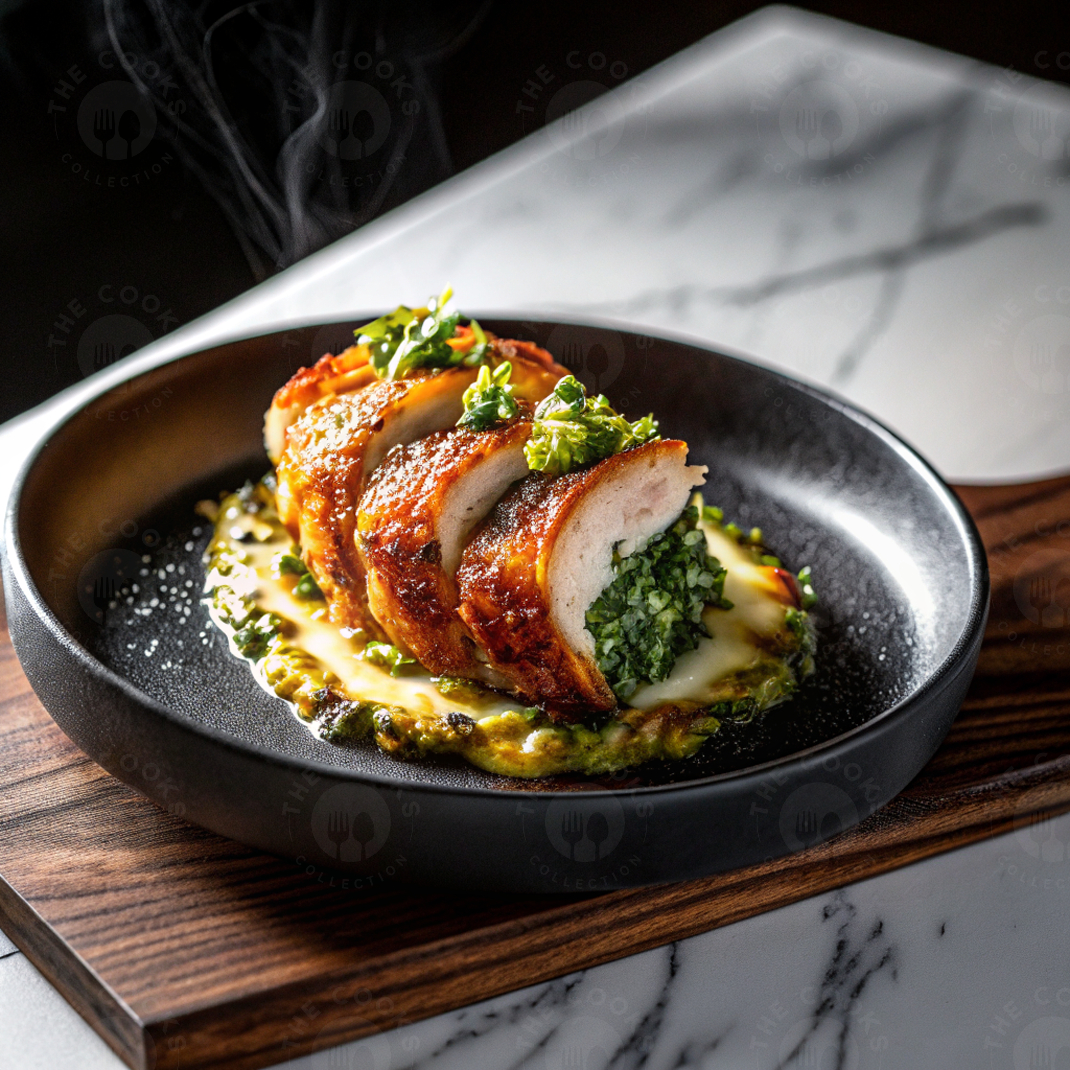
Spinach & Feta Stuffed Chicken Roulade
This spinach and feta stuffed chicken roulade transforms simple chicken breasts into an impressive yet approachable main course using classic Mediterranean flavor combinations and professional rolling techniques. The method focuses on proper chicken preparation, balanced filling distribution, and precise baking to create tender, juicy chicken wrapped around a creamy spinach and feta center, finished with a bright lemon herb butter glaze. The result is restaurant-quality presentation with home kitchen simplicity, offering the elegant appearance of stuffed chicken cordon bleu with the fresh, vibrant flavors of Greek spanakopita in a beautiful rolled format that guarantees perfect slices every time.
Why this recipe works
Chicken preparation technique. Pounding chicken breasts to an even ¼-inch thickness serves multiple crucial functions: it creates a uniform cooking surface that ensures even doneness throughout, tenderizes the meat by breaking down muscle fibers, and provides the necessary flat canvas for easy rolling and stuffing. The plastic wrap barrier prevents tearing during pounding and maintains sanitation. This preparation method transforms potentially tough, uneven chicken breasts into delicate, restaurant-quality cutlets that wrap beautifully around the filling without cracking or splitting during the rolling process.
Filling composition and moisture control. The spinach and feta combination works perfectly because the spinach provides moisture and vegetal freshness while the feta offers creamy saltiness and structural integrity. Sautéing the spinach first drives off excess water that would otherwise steam out during baking and make the filling soggy. The addition of cream cheese binds the filling together, prevents the feta from drying out, and creates a luxurious creamy texture that contrasts beautifully with the lean chicken. Fresh dill adds herbal brightness that cuts through the richness, while garlic provides aromatic depth that elevates the simple ingredients.
Rolling and securing method. The roulade technique—rolling rather than folding or pocket-style stuffing—ensures even distribution of filling throughout each slice and creates the beautiful spiral presentation that makes this dish so impressive. Leaving a ½-inch border around the edges prevents filling leakage during rolling and baking. Proper securing with kitchen twine or toothpicks maintains the cylindrical shape during cooking, allowing for perfect round slices when served. This method also creates more surface area for the herb seasoning and lemon butter to adhere to, resulting in better flavor penetration and more attractive browning.
Baking temperature and timing. The 375°F oven temperature creates the ideal environment for chicken cookery: hot enough to develop beautiful golden-brown color on the exterior while gentle enough to cook the interior evenly without drying out the meat. The 25-30 minute timeframe allows the chicken to reach the safe internal temperature of 165°F while keeping the filling hot and creamy. Basting with the lemon herb butter during the final 10 minutes adds another layer of flavor, helps keep the chicken moist, and creates an attractive glaze that makes the finished dish look professionally prepared.
Flavor balancing act. This recipe achieves perfect harmony between rich, salty, fresh, and bright elements. The salty feta and rich cream cheese balance the mild chicken and fresh spinach. The lemon juice and zest cut through the richness while enhancing the other flavors. The dried oregano and paprika provide earthy depth that complements the fresh dill. The olive oil and butter contribute both cooking functionality and flavor complexity. Every component serves multiple purposes, creating a dish where the whole is significantly greater than the sum of its parts.
Ingredients
Chicken & Seasoning
- 4 breastsboneless, skinless chicken breasts (6-8 oz each)
- 1 tbspolive oil
- 1 tspdried oregano
- ½ tsppaprika
- ½ tspsalt
- ¼ tspblack pepper
- As neededkitchen twine or toothpicks
Filling & Glaze
- 5 ozfresh spinach, chopped
- 4 ozfeta cheese, crumbled
- ¼ cupcream cheese, softened
- 2 clovesgarlic, minced
- 2 tbspfresh dill, chopped
- 2 tbspbutter, melted
- 1 lemonzest and juice
Recipe
- Prepare oven and pan: Preheat oven to 375°F (190°C). Lightly oil a baking dish or line with parchment paper. Having everything ready before handling raw chicken ensures food safety and organized workflow.
- Pound chicken: Place one chicken breast between two sheets of plastic wrap. Using a meat mallet, rolling pin, or heavy pan, pound to even ¼-inch thickness. Repeat with remaining breasts. Even thickness is crucial for uniform cooking and easy rolling.
- Prepare filling: Heat olive oil in skillet over medium heat. Add minced garlic and cook 30 seconds until fragrant. Add chopped spinach and cook 2-3 minutes until wilted and liquid has evaporated. Transfer to bowl and let cool slightly.
- Combine filling ingredients: To the cooled spinach mixture, add crumbled feta, softened cream cheese, and chopped dill. Mix thoroughly until well combined. The cream cheese acts as binder while feta provides flavor.
- Stuff and roll: Season pounded chicken with salt and pepper. Spread ¼ of filling mixture over each breast, leaving ½-inch border around edges. Roll tightly from short end, like a jelly roll.
- Secure roulades: Tie each roll with kitchen twine at 1-inch intervals or secure with 3-4 toothpicks. Ensure rolls are compact but not over-tightened. Proper securing maintains shape during baking.
- Season exterior: Brush rolls with olive oil. Combine oregano, paprika, salt, and pepper in small bowl. Sprinkle seasoning mixture evenly over all sides of chicken rolls.
- Prepare glaze: In small bowl, combine melted butter, lemon juice, and lemon zest. This simple glaze will be used for basting to add flavor and moisture.
- Bake: Place secured chicken rolls in prepared baking dish. Bake 15 minutes, then brush with lemon butter glaze. Continue baking 10-15 minutes until internal temperature reaches 165°F.
- Rest and serve: Remove from oven and let rest 5 minutes. Remove twine or toothpicks. Slice into 1-inch thick rounds using sharp knife. Serve immediately with pan juices drizzled over top.
The chicken is done when a meat thermometer inserted into the thickest part reads 165°F. The filling should be hot and creamy. Resting is crucial—it allows juices to redistribute throughout the meat, resulting in moister chicken and cleaner slices when cut.
Nutrition (estimated)
| Nutrient | Amount |
|---|---|
| Calories | ~385 kcal |
| Total Fat | 22 g |
| Saturated Fat | 9 g |
| Trans Fat | 0.3 g |
| Cholesterol | 145 mg |
| Sodium | 580 mg |
| Total Carbohydrates | 6 g |
| Dietary Fiber | 2 g |
| Total Sugars | 2 g |
| Added Sugars | 0 g |
| Protein | 42 g |
| Vitamin A | 2800 IU |
| Vitamin C | 25 mg |
| Calcium | 180 mg |
| Iron | 3 mg |
Nutrition calculated with standard ingredient measurements. Values are estimates and will vary based on specific brands and exact measurements. Using reduced-fat feta and cream cheese will lower fat content by approximately 6g per serving.
Roulade technique & proper rolling
Mastering the roulade technique transforms this from ordinary stuffed chicken to an elegant presentation-worthy main course with perfect spirals in every slice.
Step-by-step rolling method
- Chicken preparation: Start with cold chicken for easier handling. Remove tenderloins if attached. Place smooth side down. Cover completely with plastic wrap to prevent splattering. Pound from center outward using even pressure. Check frequently for even thickness.
- Filling distribution: Spread filling in even layer using offset spatula or back of spoon. Maintain consistent thickness across entire surface. Border prevents leakage during rolling and baking. Cold filling is easier to handle than room temperature.
- Initial roll: Start from short end for better spiral. Tuck filling inward with fingers as you begin rolling. Apply even pressure along entire length. Keep roll tight but not squeezing filling out ends. The first turn is most important for neat spiral.
- Continuing the roll: Maintain consistent tension throughout rolling process. Adjust filling distribution if needed. Final seam should be on bottom when placed in pan. This helps seal during cooking and creates attractive top presentation.
- Securing methods: Kitchen twine provides most professional results. Tie at 1-inch intervals without cutting into chicken. Toothpicks work well for smaller rolls. Insert at angle through seam and out other side. Soak wooden picks in water first to prevent burning.
- Final adjustments: Gently reshape if needed after securing. Ensure even thickness throughout length. Pat seasoning onto surface. Let rest 5 minutes before baking to set shape. This brief rest helps filling stabilize.
The key to perfect roulades is confidence and practice. Don’t worry if your first attempt isn’t perfect—even slightly messy rolls taste delicious. The spiral presentation will still be impressive, and the technique becomes easier with repetition. Remember that the plastic wrap pounding method is your best friend for achieving the thin, even chicken needed for successful rolling.
Filling balance & moisture control
Proper filling consistency ensures the creamy interior stays contained within the chicken while providing maximum flavor impact in every bite.
Spinach preparation
Chop spinach before cooking for even distribution. Sauté until completely wilted and dry. Excess moisture causes steaming and soggy crust. Cool completely before mixing with cheese. Squeeze out any remaining liquid with hands or paper towels.
Cheese selection
Feta provides salty tang and crumbly texture. Cream cheese binds and adds creaminess. Room temperature cream cheese mixes more easily. Full-fat versions provide best flavor and texture. Reduced-fat options work but may be less creamy.
Herb integration
Fresh dill offers bright, grassy notes that complement spinach and lemon. Chop just before using to preserve volatile oils. Dried dill can substitute but use one-third amount. Other herbs like parsley, basil, or mint work for variation.
Cooking science & temperature control
Understanding the thermal dynamics of stuffed chicken ensures perfectly cooked meat and hot, creamy filling without dryness or food safety concerns.
Thermal progression stages
- Initial heat penetration (0-10 minutes): Oven heat reaches chicken surface. Exterior begins to brown through Maillard reaction. Filling starts to warm from outside inward. Chicken proteins begin to coagulate. Seasonings toast and release flavors.
- Internal temperature rise (10-20 minutes): Heat penetrates to chicken center. Filling becomes hot throughout. Cheeses melt and integrate. Chicken reaches 140-150°F range. Natural juices begin to release and redistribute.
- Final cooking phase (20-30 minutes): Chicken approaches safe temperature of 165°F. Glaze application adds flavor and moisture. Surface develops golden-brown crust. Filling is bubbling hot. Carryover cooking begins.
- Resting period (5 minutes): Residual heat completes cooking. Temperature rises 5-10 degrees. Juices redistribute throughout meat. Proteins relax for easier slicing. Filling sets slightly for cleaner cuts.
- Carryover cooking effect: Understanding that cooking continues after removal from oven is crucial for preventing dryness. Remove chicken at 160°F for perfect 165°F final temperature. Thicker rolls require longer rest times.
The stuffed nature of the chicken creates insulation that slows heat penetration to the center. This is why a slightly longer cooking time is needed compared to plain chicken breasts. The 375°F temperature provides the ideal balance between exterior browning and gentle interior cooking that prevents the lean breast meat from drying out while ensuring the filling reaches safe temperatures.
Common mistakes (and quick fixes)
- Filling leakage: Overfilled or improperly rolled chicken. Use less filling, leave better border. Leaked filling still tastes delicious—scrape onto serving plates as sauce.
- Dry chicken: Overcooked or unevenly pounded. Use meat thermometer, pound evenly. Serve with extra lemon butter sauce or Greek yogurt to add moisture.
- Undercooked center: Rolled too thick or oven too hot. Slice horizontally before pounding if breasts are thick. Return to oven for additional 5-10 minutes if needed.
- Falling apart: Insufficient securing or torn chicken. Use more twine/toothpicks, pound gently. Serve as deconstructed stuffed chicken—still tastes wonderful.
- Soggy bottom: Excess spinach moisture or overcrowded pan. Cook spinach until very dry, use rack in baking sheet. Blot with paper towels before serving.
- Bland flavor: Underseasoned or poor quality ingredients. Season each component separately. Use high-quality feta and fresh herbs for maximum flavor impact.
Substitutions & variations
Cheese variations
Goat cheese instead of feta for creamier texture. Ricotta mixed with Parmesan for Italian style. Cottage cheese blended smooth for lighter option. Blue cheese for stronger flavor profile. Mozzarella for stretchy, mild filling.
Vegetable additions
Sundried tomatoes for intense flavor. Roasted red peppers for sweetness. Artichoke hearts for Mediterranean twist. Sautéed mushrooms for earthy notes. Caramelized onions for sweetness and depth.
Herb alternatives
Fresh basil for Italian version. Mint for Middle Eastern flair. Oregano for Greek authenticity. Tarragon for French sophistication. Chives for mild onion flavor. Cilantro for bright, fresh notes.
Serving & presentation
Proper presentation elevates this dish from simple family dinner to company-worthy centerpiece with visual appeal that matches its fantastic flavor.
Plating techniques
- Slicing method: Use very sharp knife for clean cuts. Wipe blade between slices for neat appearance. Cut into 1-inch thick rounds for substantial portions. Arrange slightly overlapping on plate for visual impact.
- Sauce utilization: Drizzle pan juices around plate. Create pools for dipping. Swirl Greek yogurt or tzatziki as base. Reduced balsamic glaze adds elegance. Herb oil provides restaurant finish.
- Garnish selection: Fresh dill sprigs for color contrast. Lemon wedges for brightness. Toasted pine nuts for crunch. Microgreens for sophistication. Edible flowers for special occasions.
- Side dish pairing: Orzo pilaf catches sauces beautifully. Roasted potatoes complement Mediterranean flavors. Quinoa salad for healthier option. Steamed asparagus adds elegant green. Greek salad provides classic pairing.
- Portion control: One roulade per person is standard. Half roulade for lighter appetites. Appetizer portions cut into thinner slices. Family style presentation on platter encourages sharing.
The beautiful spiral presentation is the star—keep plating simple to let the roulade shine. White plates provide best contrast for the golden chicken and green filling. Wipe plate edges clean for professional appearance. Serve immediately after slicing to maintain optimal temperature and texture.
Equipment notes
Essential tools
Meat mallet for even pounding. Plastic wrap to prevent mess. Sharp knife for clean slicing. Kitchen twine for securing. Meat thermometer for perfect doneness. Baking dish with rack ideal.
Nice-to-have items
Offset spatula for easy spreading. Kitchen shears for trimming twine. Microplane for fine zest. Pastry brush for glazing. Digital thermometer for accuracy. Carving board with juice groove.
Alternative methods
Heavy pan works instead of mallet. Toothpicks substitute for twine. Aluminum foil roll as pounding tool. Parchment paper for easy cleanup. Cast iron skillet for better browning.
Storage & reheating
Proper storage and reheating techniques maintain the quality and food safety of leftovers while preserving the elegant presentation of the roulades.
Storage guidelines
- Refrigeration: Cool completely before storing. Place in airtight container. Separate layers with parchment. Consume within 3-4 days. Keep filling contained within chicken.
- Freezing: Freeze whole roulades before baking for best results. Wrap tightly in plastic then foil. Thaw in refrigerator overnight. Bake as directed, adding 5-10 minutes if cold.
- Cooked freezing: Freeze baked roulades for up to 3 months. Slice first for easier reheating. Double-wrap to prevent freezer burn. Quality diminishes slightly but still excellent.
- Reheating methods: Oven at 325°F for 10-15 minutes preserves texture. Air fryer at 350°F for 5-8 minutes creates crisp exterior. Microwave as last resort—cover with damp paper towel.
- Serving leftovers: Cold slices make excellent salad topping. Chop for chicken salad with Greek yogurt. Cube for grain bowl protein. Slice thin for sandwich filling. Crumble for pasta addition.
The creamy filling makes this dish best when fresh, but proper storage and gentle reheating can yield excellent results. For meal prep, assemble roulades and refrigerate up to 24 hours before baking. The unbaked rolls hold their shape well when properly secured, making this an ideal make-ahead main course for dinner parties or busy weeknights.
Frequently asked questions
Can I use frozen spinach?
Yes, frozen spinach works well. Thaw completely and squeeze out all excess water—this is crucial. Use about ½ cup packed, squeezed-dry frozen spinach per 5 oz fresh. Frozen spinach actually has less water content when properly prepared, making it excellent for stuffed applications.
What if I don’t have kitchen twine?
Toothpicks work perfectly—use 3-4 per roulade inserted at angles. Soak wooden picks in water for 10 minutes first to prevent burning. You can also use silicone bands designed for cooking or even secure with skewers. The goal is simply to maintain the cylindrical shape during cooking.
Can I make this ahead of time?
Absolutely. Assemble completely, cover tightly, and refrigerate up to 24 hours before baking. You may need to add 5-10 minutes to baking time if starting with cold chicken. The filling actually benefits from the flavors melding overnight.
How do I know when it’s done?
Use a meat thermometer inserted into the center of the thickest part. The chicken should read 165°F. The filling should be hot and bubbly. Visual cues include golden brown exterior and juices running clear (not pink) when pierced.
Can I cook this on the grill?
Yes, with caution. Use indirect medium heat (350-375°F) and turn frequently. Secure extra well as grilling can cause more shifting. Cook with lid closed until 165°F internal temperature. The smoky flavor complements the Mediterranean ingredients beautifully.
Pro tips for perfect roulades
- Chicken temperature matters: Cold chicken is easier to pound and handle. Remove from refrigerator just before preparation. If chicken becomes too warm, refrigerate 15 minutes before rolling.
- Filling consistency is key: The filling should be spreadable but not runny. If too wet, add breadcrumbs or almond flour to absorb moisture. If too dry, add more cream cheese or a teaspoon of olive oil.
- Even thickness prevents problems: Take time to pound chicken evenly. Irregular thickness causes uneven cooking—some parts dry while others remain undercooked. The ¼-inch standard works perfectly.
- Don’t overstuff: Less is more with fillings. Overfilling causes leakage and makes rolling difficult. The filling should enhance the chicken, not overwhelm it. You can always serve extra filling as sauce.
- Resting is non-negotiable: The 5-minute rest allows proteins to relax and juices to redistribute. Cutting immediately causes juices to run out, resulting in drier chicken. Patience improves both texture and flavor.
- Sharp tools make beautiful results: Use your sharpest knife for slicing. Dull knives crush rather than cut, ruining the beautiful spiral presentation. Warm the blade under hot water for even cleaner slices.
This spinach and feta stuffed chicken roulade represents the perfect intersection of impressive presentation and approachable technique. While it looks like something from a restaurant kitchen, the methods are simple enough for any home cook to master. The combination of tender chicken, creamy filling, and bright lemon butter creates a dish that feels special enough for celebrations yet practical enough for weeknight dinners. Don’t be intimidated by the rolling technique—even imperfect rolls taste incredible, and the spiral presentation always delights. This recipe will quickly become a trusted favorite in your cooking repertoire, adaptable to different ingredients and always delivering beautiful, delicious results.