Lobster Ravioli with creamy lemon butter sauce
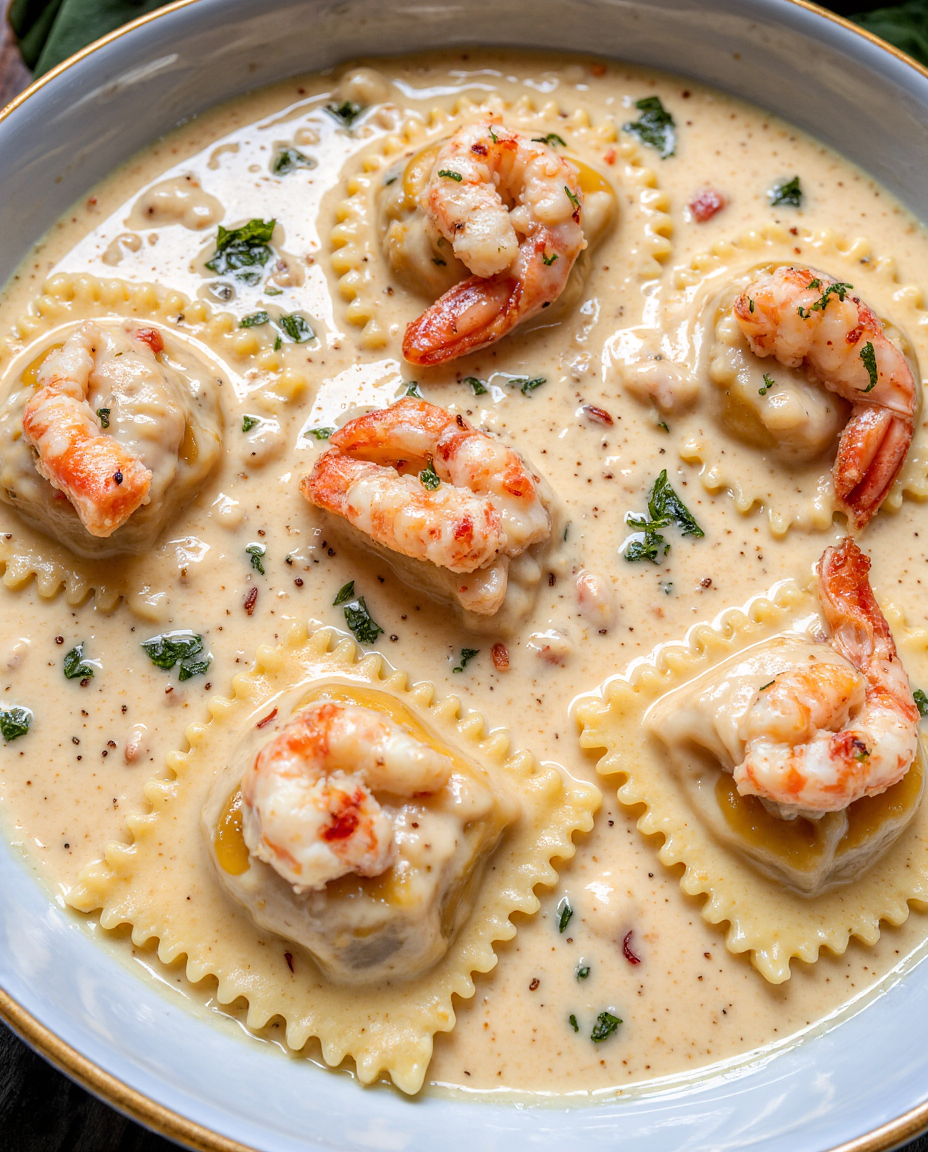
Lobster Ravioli with Zesty Lemon Butter Sauce
This lobster ravioli balances delicate homemade pasta with rich seafood filling and a bright lemon butter sauce that cuts through the richness. The method focuses on pasta dough hydration that rolls thin without tearing, a filling that holds shape without becoming pasty, and sauce emulsification that prevents breaking. Each component is calibrated—the lemon zest quantity, pasta thickness, cooking time—to create restaurant quality at home. The instructions work for hand-rolling or machine, with visual cues for every stage.
Why this recipe works
Pasta hydration balance. The 2:3 flour-to-egg ratio creates dough that rolls thin enough to be delicate but strong enough to hold filling without bursting. ’00’ flour’s fine grind gives silkier texture than all-purpose, while the oil adds flexibility. Resting hydrates the flour completely, preventing shrinkage during cooking.
Filling structure. Lobster alone would be too wet and fall apart. Ricotta provides creaminess without overwhelming the seafood flavor, while breadcrumbs absorb excess moisture. Egg yolk binds everything, and a small amount of nutmeg enhances the sweetness of the lobster without tasting spicy.
Sauce emulsion science. The lemon butter sauce uses wine reduction as an emulsifier—the alcohol and acids help butterfat and water combine. Heavy cream stabilizes the emulsion further. The result is a glossy sauce that coats the pasta without separating or becoming greasy.
Cooking precision. Fresh pasta cooks in 3-4 minutes versus 8-10 for dried. The thin wrappers mean the filling heats through perfectly as the pasta cooks. Salting the water adequately is crucial—it’s the only chance to season the pasta itself.
Flavor layering. Lemon appears in three forms: juice for acidity in the sauce, zest for aromatic oils in both filling and sauce, and wedges for finishing brightness. This creates complexity rather than one-note tartness.
Ingredients (cups & tablespoons only)
Fresh Pasta Dough
- 2 cups’00’ flour (plus more for dusting)
- 3 largeeggs, room temperature
- 1 tbspolive oil
- 1/2 tspkosher salt
- 1-2 tbspwater (if needed)
Lobster Filling
- 8 ozcooked lobster meat, chopped
- 4 ozwhole milk ricotta
- 1/4 cupParmesan, grated
- 1egg yolk
- 2 tbspbreadcrumbs
- 1 tbspparsley, chopped
- 1 tsplemon zest
- 1/4 tspnutmeg, freshly grated
- 1/4 tspwhite pepper
- 1/2 tspkosher salt
Lemon Butter Sauce
- 1/2 cupunsalted butter, cubed
- 1/4 cupdry white wine
- 3 tbsplemon juice, fresh
- 1 tsplemon zest
- 2 tbspheavy cream
- 2 tbspchives, chopped
- to tastesalt & white pepper
For Serving
- 1/4 cupParmesan, grated
- 1lemon, cut into wedges
- 1/4 cupmicrogreens or arugula
- as neededkosher salt (for pasta water)
Recipe
- Make pasta dough: Mound flour on work surface, create a well in center. Add eggs, oil, and salt to well. Using a fork, gradually incorporate flour into wet ingredients until a shaggy dough forms. Knead 8-10 minutes until smooth and elastic. Wrap in plastic; rest 30 minutes at room temperature.
- Prepare filling: Chop lobster into 1/4-inch pieces. In bowl, combine lobster, ricotta, Parmesan, egg yolk, breadcrumbs, parsley, lemon zest, nutmeg, white pepper, and salt. Mix until just combined—don’t overwork. Chill 15 minutes.
- Roll pasta: Divide dough into 4 pieces. Working with one piece at a time (keep others covered), roll through pasta machine starting at widest setting, folding and repeating twice. Gradually move to thinner settings, dusting lightly with flour if sticky, until sheet is translucent (usually setting 6-7 on most machines).
- Fill ravioli: Lay one pasta sheet on floured surface. Place teaspoon-sized mounds of filling every 2 inches. Brush around filling with water. Carefully place second sheet over top. Press around each filling mound to seal, working from center outward to remove air pockets. Cut with ravioli cutter or sharp knife.
- Make sauce: In saucepan over medium heat, melt butter. Add wine, simmer until reduced by half (2-3 minutes). Add lemon juice and zest. Reduce heat to low, whisk in cream. Season with salt and white pepper. Keep warm off heat.
- Cook ravioli: Bring large pot of generously salted water to boil. Cook ravioli in batches (don’t overcrowd) 3-4 minutes until they float and pasta is tender. Remove with slotted spoon.
- Serve: Divide ravioli among plates. Spoon warm sauce over top. Garnish with chives, Parmesan, microgreens, and lemon wedges.
Work quickly once pasta is rolled—sheets dry out. Keep covered with damp towel when not actively working with them.
Pasta technique & texture
Dough consistency
Properly kneaded dough should be smooth, elastic, and slightly firm—like a baby’s bottom. If sticky, add flour 1 tbsp at a time; if cracking, add water 1 tsp at a time. The 30-minute rest allows gluten to relax for easier rolling.
Rolling thickness
Sheets should be thin enough to read newspaper text through but not so thin they tear easily. If using a machine, stop at the setting where the sheet just begins to show transparency when held to light.
Sealing properly
Press firmly around each filling mound, working outward to eliminate air pockets. Air expands during cooking and can cause ravioli to burst. Use just enough water to create a seal without making the pasta gummy.
Filling balance & moisture control
Lobster texture. Chop lobster into small but discernible pieces—not a paste. This preserves the luxury feel and distinct seafood texture. Over-processing makes the filling mealy.
Moisture balance. Lobster naturally contains water that releases during cooking. Ricotta should be well-drained if watery. Breadcrumbs absorb excess liquid while maintaining creaminess. The filling should hold its shape when scooped but not be dry.
Seasoning layers. White pepper provides heat without visible specks. Nutmeg in tiny quantities enhances sweetness without being identifiable. Lemon zest brightens without acidity overwhelming the delicate lobster flavor.
Chilling importance. The 15-minute chill firms the filling, making it easier to portion and reducing the risk of leakage during sealing. Don’t skip this step.
Sauce emulsification & balance
The sauce should be glossy and cohesive, not separated or greasy. The wine reduction provides the emulsion base.
Troubleshooting sauce issues
- Broken sauce: Remove from heat, add 1 tbsp cold butter and whisk vigorously. Alternatively, transfer to blender and pulse briefly.
- Too thin: Continue simmering to reduce further, or create a slurry with 1 tsp cornstarch and 1 tbsp water, then whisk in. Too acidic: Add 1 tbsp more cream or a pinch of sugar to balance.
- Butter separating: Sauce is too hot. Remove from heat, add a splash of cold water or cream, and whisk constantly.
The cream is optional but recommended—it creates a more stable emulsion than butter and wine alone.
Common mistakes (and quick fixes)
- Tough pasta: Over-kneaded or insufficient resting. Next time, knead just until smooth and ensure full 30-minute rest.
- Ravioli bursting: Filling too wet, overfilled, or air pockets trapped. Use breadcrumbs, measure filling carefully, and press out air during sealing.
- Sticking together: Insufficient flour when rolling or storing. Dust sheets lightly between layers and don’t let ravioli touch before cooking.
- Rubbery lobster: Overcooked in filling or previously overcooked. Use gently cooked lobster and don’t overwork the filling.
- Grainy sauce: Butter added too quickly or at too high temperature. Keep heat low and add butter gradually while whisking.
- Bland filling: Underseasoned. Taste filling before assembling and adjust salt and lemon zest.
Substitutions & variations
Other proteins
- Shrimp or crab instead of lobster
- Cooked salmon or scallops
- Mixed seafood medley
Different flavor profiles
- Add 1 tbsp capers for piccata style
- Swap lemon for orange zest and juice
- Add 1 tsp Dijon mustard for tang
Dairy substitutions
- Mascarpone instead of ricotta
- Goat cheese for tangier flavor
- Pecorino instead of Parmesan
Fresh herb alternatives
- Tarragon instead of parsley
- Basil for summer variation
- Dill with salmon filling
Shortcut options
- Wonton wrappers instead of pasta
- High-quality store-bought fresh pasta
- Pre-cooked frozen lobster
Gluten-free
- GF flour blend for pasta
- GF breadcrumbs or omit
- Check all ingredients for gluten
When substituting seafood, adjust cooking times based on density and moisture content of the alternative protein.
Plating & wine pairing
- Restaurant presentation: Place 6-7 ravioli slightly overlapping in center of warm plate. Spoon sauce around rather than over top to show filling. Garnish with microgreens and lemon wedge.
- Family style: Arrange all ravioli on large platter, sauce evenly distributed, garnishes scattered over top.
- Wine pairings: Crisp white wines work best—Sauvignon Blanc, Pinot Grigio, or unoaked Chardonnay. The acidity cuts through the rich butter sauce.
- Non-alcoholic pairings: Sparkling water with lemon, herbal iced tea, or lemonade spritzer.
- Side dishes: Simple arugula salad with lemon vinaigrette, roasted asparagus, or garlic bread.
Batching & make-ahead
Pasta dough
Make dough up to 24 hours ahead. Wrap tightly in plastic and refrigerate. Bring to room temperature 30 minutes before rolling.
Filling
Prepare filling up to 48 hours ahead. Store in airtight container in refrigerator. Bring to cool room temperature before using.
Assembled ravioli
Freeze uncooked ravioli in single layer on baking sheet, then transfer to freezer bags. Cook directly from frozen, adding 1-2 minutes to cooking time.
Equipment notes
- Pasta machine: Not strictly necessary but makes consistent thickness easier. Hand-rolling with a rolling pin works but requires more skill.
- Ravioli cutter: Fluted cutter gives professional edges, but a sharp knife or pizza cutter works fine.
- Work surface: Wood is ideal—it provides slight grip that helps with kneading. Marble stays cooler but can be slippery.
- Pot size: Use the largest pot available. Ravioli need room to float freely without sticking together.
- Slotted spoon: Essential for gently removing delicate ravioli from water without breaking them.
Nutrition (estimated)
| Nutrient | Amount |
|---|---|
| Calories | ~680 kcal |
| Total Fat | 32 g |
| Saturated Fat | 18 g |
| Carbohydrates | 62 g |
| Total Sugars | 3 g |
| Fiber | 3 g |
| Protein | 35 g |
| Sodium | ~980 mg |
| Serving Size | 6-7 ravioli with sauce |
Numbers are estimates and will vary based on specific ingredients, especially the fat content of ricotta and Parmesan, and exact amount of sauce used.
Storage & reheating
- Refrigeration: Cooked ravioli store poorly—best eaten immediately. Uncooked ravioli keep 1 day in refrigerator on floured baking sheet covered with plastic.
- Freezing: Freeze uncooked ravioli in single layer, then transfer to airtight containers for up to 3 months. Cook from frozen, adding 1-2 minutes to cooking time.
- Sauce: Store separately for up to 3 days. Reheat gently over low heat, whisking to re-emulsify.
- Reheating cooked: Not recommended, but if necessary, place in single layer on baking sheet, cover with foil, and warm at 300°F for 8-10 minutes. Microwave will make pasta rubbery.
- Meal prep: Make and freeze ravioli ahead, then cook directly from frozen when needed. Sauce can be made 2 days ahead.
FAQ
Can I use store-bought pasta sheets?
Yes, fresh pasta sheets from the refrigerated section work well. Avoid dried pasta sheets as they don’t seal properly. If using store-bought, you may need to moisten more generously to create a good seal.
What if I don’t have ’00’ flour?
All-purpose flour works fine. The texture will be slightly less delicate but still excellent. Use the same measurement by volume.
Can I make this without a pasta machine?
Yes, with a rolling pin and patience. Divide dough into smaller pieces, roll as thin as possible, rotating frequently. The pasta will have more character and may be slightly thicker.
How do I know when the ravioli are cooked?
They will float to the surface after 2-3 minutes, but continue cooking 1 minute more to ensure the filling is hot. Taste one to check—the pasta should be tender but still have slight bite.
Can I use imitation lobster?
Yes, but the flavor and texture will be different. Surimi (imitation crab/lobster) is more processed and may release more water—adjust breadcrumbs accordingly.
Why white pepper instead of black?
White pepper provides heat without visible black specks in the delicate filling. Black pepper works fine if that’s what you have.
Cook notes
- Salt the pasta water generously—it should taste like seawater. This is your only chance to season the pasta itself.
- Don’t overcrowd the pot—cook in batches to maintain water temperature and prevent sticking.
- Reserve 1/4 cup pasta water before draining—it can help adjust sauce consistency if needed.
- Taste filling for seasoning before assembling—it’s easier to adjust then.
- Work with cool, dry hands when handling pasta dough to prevent sticking.
- Serve immediately—fresh pasta waits for no one and continues cooking off heat.