Double Chocolate Chip Cookies
Double Chocolate Chip Cookies
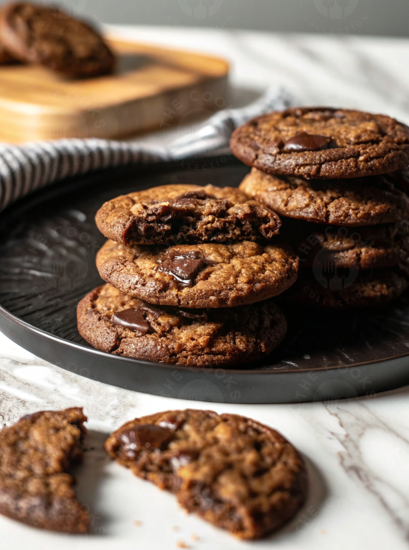
These double chocolate chip cookies achieve ultimate chocolate intensity through precise cocoa selection and chocolate chip distribution. The method focuses on creating a rich cocoa base that supports generous chocolate chips without becoming overwhelming, using proper creaming techniques and careful baking temperature control. The result is cookies with crisp edges, chewy centers, and pockets of melted chocolate that deliver maximum chocolate satisfaction in every bite.
Why this recipe works
Double chocolate approach. Using both cocoa powder and chocolate chips creates layered chocolate flavor that’s intense but not overwhelming. The cocoa powder provides the base chocolate flavor throughout the cookie, while the chocolate chips create pockets of melted chocolate that surprise and delight with each bite. This combination ensures every part of the cookie delivers chocolate satisfaction, from the first taste to the last. The 1:2 ratio of cocoa to chocolate chips (1 cup cocoa to 2 cups chips) creates perfect balance between the baked-in chocolate flavor and the melty chocolate pieces.
Butter and sugar balance. The equal amounts of butter and sugars (1 cup each of butter, white sugar, and brown sugar) create the ideal texture foundation. The butter provides richness and promotes spread, while the combination of granulated and brown sugars creates complex sweetness and moisture control. The brown sugar’s molasses content contributes to chewiness and helps keep the cookies soft, while the granulated sugar promotes crisp edges and proper spreading. This balanced ratio prevents the cookies from being too cakey or too flat.
Cocoa powder integration. Adding cocoa powder to the dry ingredients ensures even distribution throughout the dough. The 1 cup of cocoa powder is substantial but balanced by the 2 1/4 cups of flour, creating a dough that’s deeply chocolatey but still has proper structure. Whisking the cocoa with the flour before adding to wet ingredients prevents clumping and ensures every cookie has consistent chocolate intensity. The unsweetened cocoa provides pure chocolate flavor without additional sweetness that would compete with the chocolate chips.
High temperature baking. The 375°F oven temperature creates the perfect environment for double chocolate cookies. This higher temperature sets the edges quickly, creating crisp boundaries while keeping the centers soft and chewy. The relatively short baking time (9-11 minutes) prevents the cocoa from becoming bitter while allowing the chocolate chips to melt properly without burning. This temperature also promotes the Maillard reaction that develops complex flavors beyond simple sweetness.
Proper chocolate distribution. Adding the chocolate chips at the end of mixing ensures they stay intact rather than breaking down into the dough. The 2 cups of chocolate chips may seem generous, but it creates the ideal chip-to-dough ratio that chocolate lovers crave. Stirring them in gently preserves their shape and ensures they’re evenly distributed, so every cookie gets its fair share of chocolate pockets.
Ingredients (cups & tablespoons only)
Wet Ingredients
- 1 cupunsalted butter, softened
- 1 cupgranulated sugar
- 1 cupbrown sugar
- 2 largeeggs
- 1 tspvanilla extract
Dry Ingredients
- 2 1/4 cupsall-purpose flour
- 1 tspbaking soda
- 1 tspsalt
- 1 cupunsweetened cocoa powder
- 2 cupschocolate chips
Recipe
- Prep oven: Preheat oven to 375°F (190°C). No need to grease baking sheets – the butter in the cookies prevents sticking.
- Cream butter and sugars: In large bowl, cream together 1 cup softened butter, 1 cup granulated sugar, and 1 cup brown sugar until light and fluffy (3-4 minutes). Proper creaming creates air pockets for lift.
- Add eggs and vanilla: Beat in 2 eggs one at a time, mixing well after each addition. Then stir in 1 tsp vanilla extract. Adding eggs gradually prevents the mixture from breaking.
- Combine dry ingredients: In separate bowl, whisk together 2 1/4 cups flour, 1 tsp baking soda, 1 tsp salt, and 1 cup cocoa powder. Whisking ensures even distribution of leavening and eliminates cocoa lumps.
- Combine mixtures: Gradually add dry ingredients to wet ingredients, mixing until just combined. Do not overmix. The dough will be thick and fudgy.
- Add chocolate chips: Stir in 2 cups chocolate chips until evenly distributed. Be gentle to avoid breaking the chips.
- Portion cookies: Drop by rounded tablespoons onto ungreased baking sheets. Leave about 2 inches between cookies for spreading.
- Bake: Bake 9-11 minutes until edges are golden brown. The centers will look soft but set. Rotate pans halfway for even baking.
- Cool properly: Let cookies cool on baking sheets for 5 minutes before transferring to wire rack. This allows them to set without breaking.
The cookies will appear underdone when removed from the oven but will firm up as they cool. For crispier cookies, bake 1-2 minutes longer. For chewier cookies, bake 1 minute less.
Nutrition (estimated)
| Nutrient | Amount |
|---|---|
| Calories | ~250 kcal |
| Total Fat | 14 g |
| Saturated Fat | 8 g |
| Trans Fat | 0 g |
| Cholesterol | 35 mg |
| Sodium | 150 mg |
| Total Carbohydrates | 30 g |
| Dietary Fiber | 2 g |
| Total Sugars | 20 g |
| Added Sugars | 18 g |
| Protein | 3 g |
| Vitamin D | 0.1 mcg |
| Calcium | 20 mg |
| Iron | 2 mg |
| Potassium | 120 mg |
Nutrition calculated with semi-sweet chocolate chips. Using milk chocolate will increase sugar content, while dark chocolate may reduce it slightly. Values are estimates based on standard ingredient measurements.
Chocolate selection & types
Cocoa powder types
Natural cocoa: acidic, fruity notes. Dutch-process: alkaline, smoother flavor. Black cocoa: intense, oreo-like. Regular unsweetened: balanced, versatile. Each creates different flavor profiles.
Chocolate chip options
Semi-sweet: classic, balanced. Bittersweet: intense, less sweet. Milk chocolate: sweeter, creamier. White chocolate: vanilla flavor. Chocolate chunks: rustic, substantial.
Flavor combinations
Dutch cocoa + semi-sweet: sophisticated. Natural cocoa + milk chocolate: classic. Black cocoa + dark chocolate: intense. Mixed chips: variety. Quality matters for best results.
Texture science & cookie structure
Creating the perfect double chocolate cookie texture involves understanding how each ingredient contributes to the final result, from crisp edges to chewy centers.
Texture contributors
- Butter: Promotes spread and creates tender crumb. Proper creaming incorporates air for lift.
- Sugars: Granulated creates crispness, brown sugar adds chewiness and moisture.
- Flour: Provides structure. The 2 1/4 cups balances the moisture from other ingredients.
- Cocoa powder: Absorbs moisture and contributes to dense, fudgy texture.
- Eggs: Provide structure and moisture. Two eggs create rich, cake-like texture.
- Baking soda: Promotes spread and helps cookies brown properly.
The high cocoa content makes these cookies more delicate than regular chocolate chip cookies. They’ll be very soft when they come out of the oven but will firm up to the perfect chewy texture as they cool.
Mixing methods & dough handling
Proper mixing technique ensures the cookies have the ideal texture and the chocolate chips remain intact for maximum chocolate impact in every bite.
Creaming stage
Butter and sugars beaten 3-4 minutes until light and fluffy. This incorporates air for lift and helps dissolve sugars. The mixture should lighten in color and increase in volume slightly.
Egg incorporation
Add eggs one at a time, beating well after each. This maintains the emulsion and prevents the mixture from breaking. Room temperature eggs incorporate more easily than cold ones.
Dry ingredient addition
Add flour mixture gradually, mixing until just combined. Overmixing develops gluten, making cookies tough. Stop when no dry spots remain – a few small flour patches are okay.
Baking techniques & temperature control
The 375°F baking temperature creates the ideal environment for double chocolate cookies, promoting proper spread, texture development, and flavor enhancement.
Baking stages
- Butter melt (0-3 minutes): Butter liquefies, cookies begin to spread. Chocolate chips start to soften.
- Structure set (3-6 minutes): Proteins coagulate, cookies achieve shape. Edges begin to firm up.
- Browning phase (6-9 minutes): Maillard reaction develops flavor. Edges turn golden brown.
- Final set (9-11 minutes): Centers set but remain soft. Chocolate chips become fully melted.
- Carryover cooking (5 minutes rest): Residual heat completes the process. Cookies firm up to perfect texture.
Using ungreased baking sheets promotes better spreading and browning. The cookies release easily because of their high butter content. If concerned about sticking, parchment paper can be used without affecting the results.
Common mistakes (and quick fixes)
- Bitter cookies: Overbaked or wrong cocoa type. Use natural cocoa, reduce baking time. If bitter, serve with sweetened whipped cream.
- Flat cookies: Butter too soft or insufficient flour. Use properly softened butter, measure flour correctly. For flat cookies, they’ll still taste delicious.
- Cakey texture: Overmixed or too much flour. Mix gently, measure flour accurately. Cakey cookies make great ice cream sandwiches.
- Chocolate chips sink: Dough too soft or chips added too early. Chill dough 15 minutes, add chips at end. Sunken chips still taste wonderful.
- Pale cookies: Underbaked or old baking soda. Extend baking 1-2 minutes, use fresh leavening. Pale cookies are actually preferred by some.
- Dry cookies: Overbaked or too much cocoa. Reduce baking time, verify cocoa measurement. Serve with milk to compensate.
- Burnt bottoms: Dark pans or oven too hot. Use light-colored pans, verify temperature. If bottoms darken, use double baking sheets.
- Sticking to pan: Greased pans or underbaked. Use ungreased sheets, ensure proper baking time. If stuck, chill pan to release cookies.
Substitutions & variations
Different chocolates
- Dark chocolate chips: intense flavor
- Milk chocolate: sweeter, creamier
- White chocolate: vanilla contrast
- Chocolate chunks: rustic appearance
Mix-in variations
- Walnuts: classic complement
- Peanut butter chips: Reese’s effect
- Mint chips: refreshing twist
- Sea salt: flavor enhancement
Different flours
- Whole wheat: nuttier flavor
- Gluten-free blend: 1:1 substitution
- Bread flour: chewier texture
- Oat flour: softer results
Different sweeteners
- Coconut sugar: lower glycemic
- Maple syrup: liquid adjustment needed
- Honey: distinct flavor
- Monk fruit: sugar-free option
Special diets
- Vegan: plant-based substitutes
- Gluten-free: GF flour blend
- Dairy-free: vegan butter, chocolate
- Reduced sugar: sugar alternatives
Different forms
- Slice-and-bake: make ahead dough
- Bar cookies: easier serving
- Skillet cookie: shareable dessert
- Mini cookies: bite-sized treats
Any substitution may affect cooking time, texture, and flavor balance. When substituting sweeteners, adjust other liquids accordingly. Gluten-free flours often require additional binding agents.
Serving & presentation
Garnish ideas
Sea salt flakes: sophisticated contrast. Powdered sugar: elegant appearance. Chocolate drizzle: decorative finish. Extra chips: pressed on top. Gold leaf: special occasion.
Presentation styles
Stacked tower: dramatic effect. Rustic platter: casual serving. Individual boxes: thoughtful gifts. Tiered stand: party display. Parchment wraps: bakery style.
Accompaniments
Cold milk: classic pairing. Coffee: bitter balance. Vanilla ice cream: cookie sandwich. Whipped cream: light contrast. Berry compote: fruity counterpoint.
Equipment notes
- Mixing bowls: Large for wet ingredients, medium for dry. Non-slip bottoms prevent movement. Glass shows color changes during creaming.
- Measuring tools: Dry measuring cups for flour and sugars. Liquid measuring cup optional. Measuring spoons for small quantities. Scale for most accuracy.
- Baking sheets: Light-colored aluminum promotes even browning. Un-greased surfaces encourage proper spreading. Parchment paper optional but not necessary.
- Mixer options: Stand mixer for easy creaming. Hand mixer works perfectly. Whisk and spoon possible with extra effort. Don’t overmix by machine.
- Cookie scoops: Tablespoon-sized scoop for consistent portions. Spring-release easiest to use. Two spoons work as alternative. Uniform size ensures even baking.
- Spatulas: Rubber spatula for scraping bowls. Offset spatula for transferring cookies. Silicone withstands heat. Flexible edges reach all areas.
- Cooling racks: Wire racks allow air circulation. Prevents soggy bottoms. Essential for proper setting. Multiple racks helpful for batch baking.
Storage & reheating
- Room temperature: Store in airtight container up to 5 days. Place parchment between layers if stacking. The flavor actually improves after 1 day as flavors meld.
- Freezing baked cookies: Freeze up to 3 months. Place in single layer on parchment-lined sheet to freeze solid, then transfer to freezer bags. Thaw at room temperature.
- Freezing dough: Portion dough balls and freeze on parchment-lined sheet. Transfer to freezer bags once solid. Bake frozen, adding 1-2 minutes to baking time.
- Refreshing cookies: Warm in 300°F oven for 3-5 minutes to restore freshness. Microwave makes cookies rubbery – avoid if possible. The gentle oven heat revives crisp edges.
- Dough storage: Refrigerate dough up to 5 days for fresh-baked cookies anytime. The flavor develops and deepens with refrigeration.
Frequently asked questions
Can I use Dutch-process cocoa instead of natural cocoa?
Yes, but the cookies may spread slightly differently. Dutch-process cocoa is less acidic, so it doesn’t react as strongly with the baking soda. The flavor will be smoother and less fruity.
Why are my cookies dry and crumbly?
This usually means they were overbaked or had too much flour. Measure flour by spooning into cup and leveling – don’t scoop directly from bag. Reduce baking time by 1 minute next batch.
Can I make these without a mixer?
Absolutely! Use a wooden spoon and some elbow grease. Cream the butter and sugars thoroughly until lightened in color. The cookies may be slightly denser but still delicious.
How can I make the cookies chewier?
Use more brown sugar relative to white sugar, or substitute 1-2 tablespoons of the butter with vegetable oil. Chilling the dough for 30 minutes before baking also promotes chewiness.
My cookies spread too much – what happened?
Butter was likely too warm or you measured flour incorrectly. Ensure butter is softened but still cool to touch. Measure flour correctly by spooning and leveling.
Can I use melted butter instead of softened?
Melted butter will create a different texture – denser and chewier with less rise. The cookies will spread more and have a different crumb structure. Softened butter is recommended.
Why use both granulated and brown sugar?
Granulated sugar creates crisp edges and promotes spread. Brown sugar adds moisture and chewiness through its molasses content. The combination creates the ideal chocolate cookie texture.
Cook notes & pro tips
Flavor development
The chocolate flavor becomes more pronounced after cookies cool completely. For best flavor, wait at least 2 hours after baking before serving. The cocoa continues to hydrate and develop depth.
Texture secrets
For extra-chewy cookies, substitute 2 tablespoons of the butter with vegetable oil. For cakier texture, use cake flour instead of all-purpose. The standard all-purpose creates the ideal balance.
Timing tips
Make dough up to 5 days ahead and refrigerate for flavor development. Baked cookies freeze beautifully for up to 3 months. Dough balls can be frozen for fresh-baked cookies anytime.