Cranberry Orange Bundt Cake
Cranberry Orange Bundt Cake
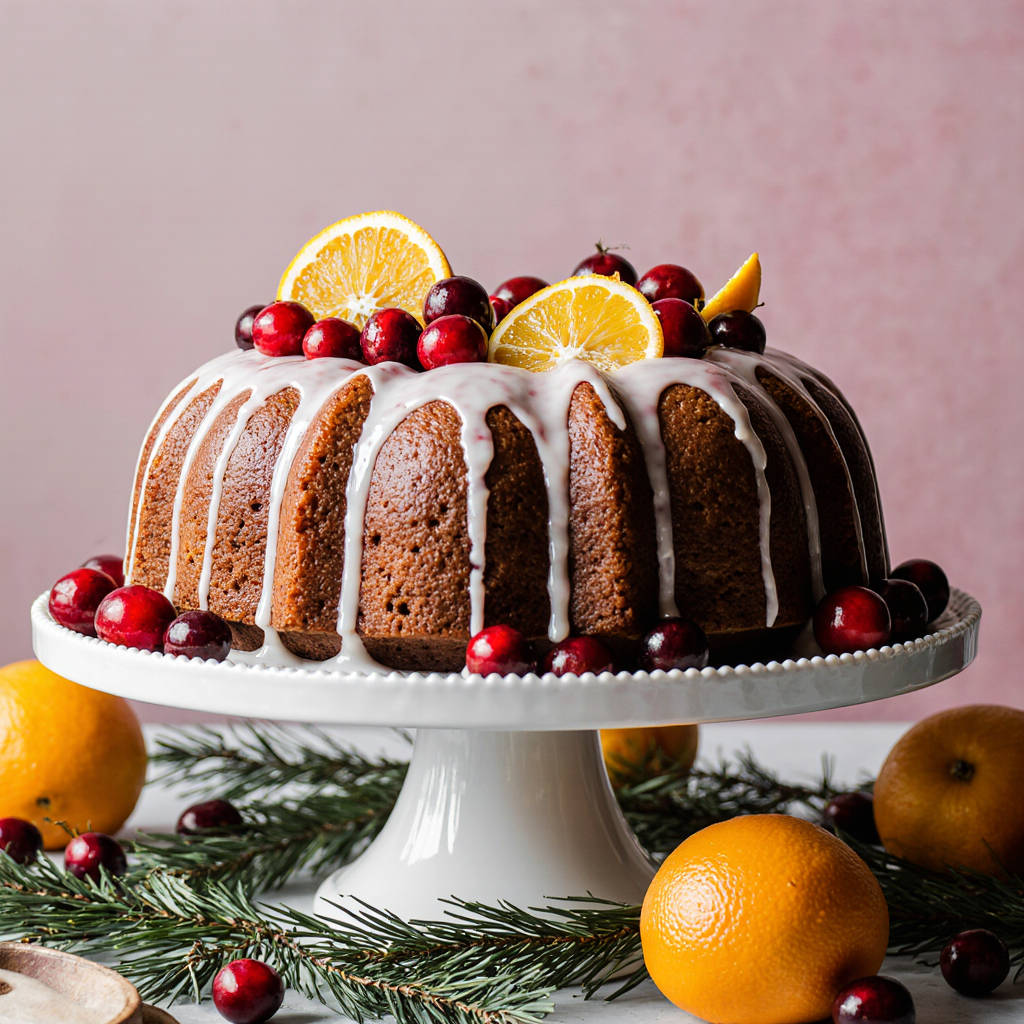
This stunning cranberry orange bundt cake is the epitome of holiday baking—festive, flavorful, and absolutely gorgeous on any Christmas breakfast or dessert table. Fresh cranberries burst throughout tender, buttery cake infused with bright orange zest, all topped with a sweet citrus glaze that cascades down the ridges. It’s easier than it looks and tastes like the holidays in every bite.
Why This Recipe Works
Bundt cakes are holiday showstoppers for good reason—that beautiful shape does half the work of making your dessert look impressive. But beyond aesthetics, this recipe delivers on flavor and texture in ways that make it truly special for Christmas morning or any festive gathering.
The combination of sour cream and butter creates an incredibly moist, tender crumb that stays fresh for days. Sour cream adds subtle tang that balances the sweetness while keeping the cake from drying out—a common problem with bundt cakes. The acid in sour cream also activates the baking soda, giving you better rise and a lighter texture.
Fresh cranberries are non-negotiable here. They provide bursts of tart flavor that cut through the richness and create beautiful pops of red throughout each slice. The cranberries also release slight moisture as they bake, creating little pockets of jammy goodness. Orange zest in the batter and orange juice in the glaze creates layers of citrus flavor that complement the cranberries perfectly—it’s that classic holiday pairing that just works.
The secret to a perfect bundt cake release is thorough greasing and flouring. Every single groove and crevice needs attention, or you’ll have a gorgeous cake stuck in the pan. We’ll walk through the foolproof method that ensures a clean release every single time.
Letting the cake cool in the pan for exactly 15 minutes is crucial—not more, not less. Too short and the cake is too fragile to hold its shape. Too long and it starts sticking as it cools. That 15-minute window is your sweet spot for a flawless release onto your serving platter.
Ingredients
For the Cake
- 3 cups all-purpose flour
- 2 tsp baking powder
- ½ tsp baking soda
- 1 tsp salt
- 1 cup (2 sticks) unsalted butter, softened to room temperature
- 2 cups granulated sugar
- 4 large eggs, room temperature
- 1 cup full-fat sour cream, room temperature
- Zest of 2 large oranges (about 2 tablespoons)
- ¼ cup fresh orange juice
- 2 tsp pure vanilla extract
- 2 cups fresh cranberries, rinsed and dried
For the Orange Glaze
- 1½ cups powdered sugar, sifted
- 3-4 tbsp fresh orange juice
- ½ tsp orange zest (optional, for extra flavor)
For Garnish
- Fresh cranberries
- Orange slices or segments
- Sugared cranberries (optional but stunning)
Step-by-Step Instructions
Step 1: Prepare Your Pan (Don’t Skip This!)
Preheat your oven to 350°F. Now for the most important step: preparing your bundt pan. Use softened butter (not melted) or baking spray with flour. With a pastry brush, thoroughly coat every single groove, corner, and crevice of your 10-12 cup bundt pan. Then dust with flour, tapping out excess. For insurance, you can also use the Baker’s Joy spray—it’s a lifesaver. This extra attention prevents heartbreak later.
Step 2: Mix Your Dry Ingredients
In a medium bowl, whisk together flour, baking powder, baking soda, and salt. Whisk for a good 30 seconds to ensure everything is evenly distributed—this replaces sifting and aerates the flour. Set aside.
Step 3: Cream Butter and Sugar
In a large bowl or stand mixer fitted with paddle attachment, beat softened butter and granulated sugar on medium-high speed for 3-4 minutes until light, fluffy, and almost white in color. This creaming process incorporates air which gives your cake lift. Scrape down sides and bottom of bowl halfway through to ensure even mixing.
Step 4: Add Eggs One at a Time
Reduce mixer speed to medium. Add eggs one at a time, beating well after each addition (about 30 seconds each). The mixture might look slightly curdled after the eggs—this is normal and will come together when you add the dry ingredients. Add vanilla extract with the last egg.
Step 5: Incorporate Sour Cream and Citrus
Add the sour cream, orange zest, and orange juice to the batter. Mix on low speed just until combined. Don’t overmix—you just want everything evenly distributed. The batter will look thick and luscious.
Step 6: Add Dry Ingredients Gradually
With mixer on low speed, add the flour mixture in three additions, mixing just until you no longer see dry flour streaks. Stop the mixer and scrape down the bowl, then give it a few final stirs by hand with a rubber spatula to catch any flour hiding at the bottom. Overmixing at this stage leads to tough, dense cake, so be gentle.
Step 7: Fold in Cranberries
Gently fold fresh cranberries into the batter using a rubber spatula. Make sure they’re distributed throughout. The batter is thick enough that the cranberries won’t sink to the bottom during baking—that’s exactly what we want.
Step 8: Bake to Perfection
Pour batter into your prepared bundt pan, spreading it evenly with a spatula. Tap the pan gently on the counter 3-4 times to release any air bubbles. Bake for 50-55 minutes, or until a toothpick or cake tester inserted into the center comes out clean or with just a few moist crumbs (no wet batter). The top should be golden brown and spring back when lightly pressed.
Step 9: The Critical Cooling Period
Remove from oven and place on a wire rack. Let cool in the pan for exactly 15 minutes. Meanwhile, place your serving plate or cake stand upside down on top of the bundt pan. Holding both the plate and pan firmly together, quickly flip them over. Gently lift off the pan. If any bits stick, use a knife to carefully remove them and pat them back onto the cake—no one will notice. Let cake cool completely before glazing, about 1-2 hours.
Step 10: Make and Apply the Glaze
In a medium bowl, whisk together sifted powdered sugar and orange juice, starting with 3 tablespoons. Add more juice a teaspoon at a time until you reach desired consistency—you want it to be pourable but not too thin. It should coat the back of a spoon but still drip slowly. Add orange zest if using. Pour glaze over the completely cooled cake, letting it drip naturally down the ridges. Don’t try to spread it—let gravity do the work for that beautiful cascading effect.
Step 11: Garnish and Serve
While glaze is still wet, arrange fresh cranberries and orange slices on top. The glaze will hold them in place as it sets. For extra holiday glamor, use sugared cranberries (roll fresh cranberries in simple syrup then granulated sugar—they look like little ornaments). Let glaze set for 15-20 minutes before slicing. Slice with a serrated knife using a gentle sawing motion.
Nutrition Information
Per serving (1 slice, 1/12 of cake):
Expert Baking Tips
Pan preparation is everything
Seriously—this cannot be overstated. A stuck bundt cake is heartbreaking. Use a pastry brush to get butter or shortening into every single groove. Some bakers swear by a mix of equal parts melted shortening, flour, and oil brushed into the pan. Whatever method you choose, be thorough. Nordic Ware (the bundt pan experts) recommends their original non-stick pan and a generous coating of baking spray with flour.
Don’t overmix the batter
Once you add flour, mix just until combined. Overmixing develops gluten, which makes cake tough and dense instead of tender and fluffy. When in doubt, undermix slightly and finish with a few hand folds using a spatula.
Test for doneness properly
Insert your toothpick or cake tester near the center but not directly in the middle (sometimes the very center takes longer). You want either clean or with just a few moist crumbs. If you see wet batter, bake another 3-5 minutes and test again. Bundt cakes can go from perfect to overdone quickly, so check early.
Cranberry substitutions
While fresh cranberries are ideal, you can use frozen in a pinch—do NOT thaw them first. Toss frozen cranberries in a tablespoon of flour before folding into batter to prevent sinking and excess moisture. Dried cranberries don’t work as well here since they don’t provide that tart burst, but if using them, soak in orange juice for 10 minutes first.
Serving Suggestions
Christmas morning breakfast
This cake is spectacular for Christmas breakfast or brunch. Serve slices alongside scrambled eggs, crispy bacon, and fresh fruit. The sweetness isn’t overwhelming in the morning, and the citrus flavor is bright and energizing. Place the whole cake on a pedestal stand in the center of your breakfast table for maximum wow factor.
Holiday dessert presentation
For an elegant holiday dessert, serve slightly warmed slices (15 seconds in microwave) with a dollop of barely sweetened whipped cream or a scoop of vanilla bean ice cream. The warm cake with cold cream is an incredible contrast. Garnish plates with a few fresh cranberries and a mint sprig for that professional touch.
Afternoon tea or coffee cake
This cake is perfect with afternoon tea or coffee. The orange flavor pairs beautifully with Earl Grey tea, while the cranberries complement a rich dark roast coffee. Cut slightly thinner slices for tea service—about 12-14 slices instead of 10-12.
Gift-giving
Bundt cakes make wonderful holiday gifts. Bake in a disposable aluminum bundt pan, wrap beautifully in cellophane with a festive ribbon, and attach the recipe card. Your friends and neighbors will be thrilled. The cake travels well and looks impressive without requiring special plating.
Storage & Freshness
Room temperature storage
Store glazed cake in a cake dome or covered with plastic wrap at room temperature for up to 3 days. The glaze forms a slight crust that helps seal in moisture. Actually, day 2 and 3 are when this cake is at peak flavor—the cranberries macerate slightly and the orange flavor deepens.
Refrigerator storage
If your kitchen is very warm or if you want to keep it longer, refrigerate for up to 5 days. Wrap tightly in plastic wrap then aluminum foil to prevent it from absorbing fridge odors. Bring to room temperature before serving (about 1 hour) or warm individual slices for 10-15 seconds in the microwave.
Freezing instructions
This cake freezes beautifully for up to 3 months. Freeze BEFORE glazing for best results. Wrap cooled, unglazed cake tightly in plastic wrap, then aluminum foil, then place in a freezer bag. Thaw overnight in refrigerator, bring to room temperature, then glaze and garnish as directed. It will taste freshly baked.
Delicious Variations
Lemon Cranberry Version
Swap orange for lemon throughout—lemon zest in cake, lemon juice in glaze. The brighter, more acidic lemon flavor is wonderful with cranberries and gives the cake a slightly different but equally delicious profile. Garnish with lemon slices and sugared cranberries.
Add Nuts for Crunch
Fold in 1 cup chopped pecans or walnuts along with the cranberries. Toast the nuts first for deeper flavor—spread on baking sheet, bake at 350°F for 5-7 minutes until fragrant. The nuts add textural contrast and complement the fruit beautifully.
Spiced Holiday Version
Add warm spices to the dry ingredients: 1 teaspoon cinnamon, ½ teaspoon nutmeg, and ¼ teaspoon cloves. This creates a more traditional spice cake flavor that some people prefer for Christmas. It’s delicious with a cream cheese glaze instead of orange glaze.
Mixed Berry Option
Use 1 cup cranberries and 1 cup fresh or frozen blueberries for a berry medley. Or try 1½ cups cranberries and ½ cup chopped fresh strawberries. Just keep the total berry amount at 2 cups so the moisture content stays balanced.
Cream Cheese Glaze
For extra richness, make cream cheese glaze instead: Beat 4 oz softened cream cheese with 2 cups powdered sugar, 2 tablespoons orange juice, and 1 teaspoon vanilla until smooth. This creates a richer, tangier glaze that’s absolutely incredible. It’s more opaque than the regular glaze, which some people prefer visually.
Troubleshooting Common Issues
My cake stuck to the pan!
This is the most common bundt cake problem. Prevention is key: grease and flour thoroughly as described above. If it does stick, let it cool for the full 15 minutes, then try gently tapping the pan while inverted. You can also try placing a hot, damp towel over the inverted pan for a minute to help steam it loose. If chunks come out, patch them back on with glaze—once decorated, most people won’t notice. Learn from this and grease better next time!
The glaze is too thick/too thin
Glaze consistency is easy to fix. Too thick? Add orange juice 1 teaspoon at a time until it reaches pouring consistency. Too thin and running off too quickly? Whisk in more powdered sugar, 2 tablespoons at a time. The perfect consistency coats the back of a spoon but still drips slowly—think slightly thicker than heavy cream.
The cake is dry
Dry bundt cake usually means it was overbaked or the batter was overmixed. Bundt cakes continue cooking slightly as they cool, so slightly underbaked is better than overbaked. Next time, check for doneness 5 minutes earlier. You can also brush the outside of the cake with simple syrup (equal parts sugar and water, heated until sugar dissolves) before glazing—this adds moisture back.
The cranberries sank to the bottom
This usually happens with frozen cranberries that released too much moisture, or if the batter was too thin. Make sure frozen berries aren’t thawed, and toss them in a tablespoon of flour before adding. The thick batter in this recipe should prevent sinking, but if it happens, just call it “cranberry bottom” and serve those slices as a special treat—they’re actually extra delicious!
The cake cracked on top
Small cracks are normal and get covered by glaze anyway. Large cracks mean the oven temperature was too high. Invest in an oven thermometer—many ovens run 25°F hotter than the setting. Also, don’t open the oven door during the first 40 minutes of baking, as temperature fluctuations can cause cracking.