Cajun Shrimp Spaghetti
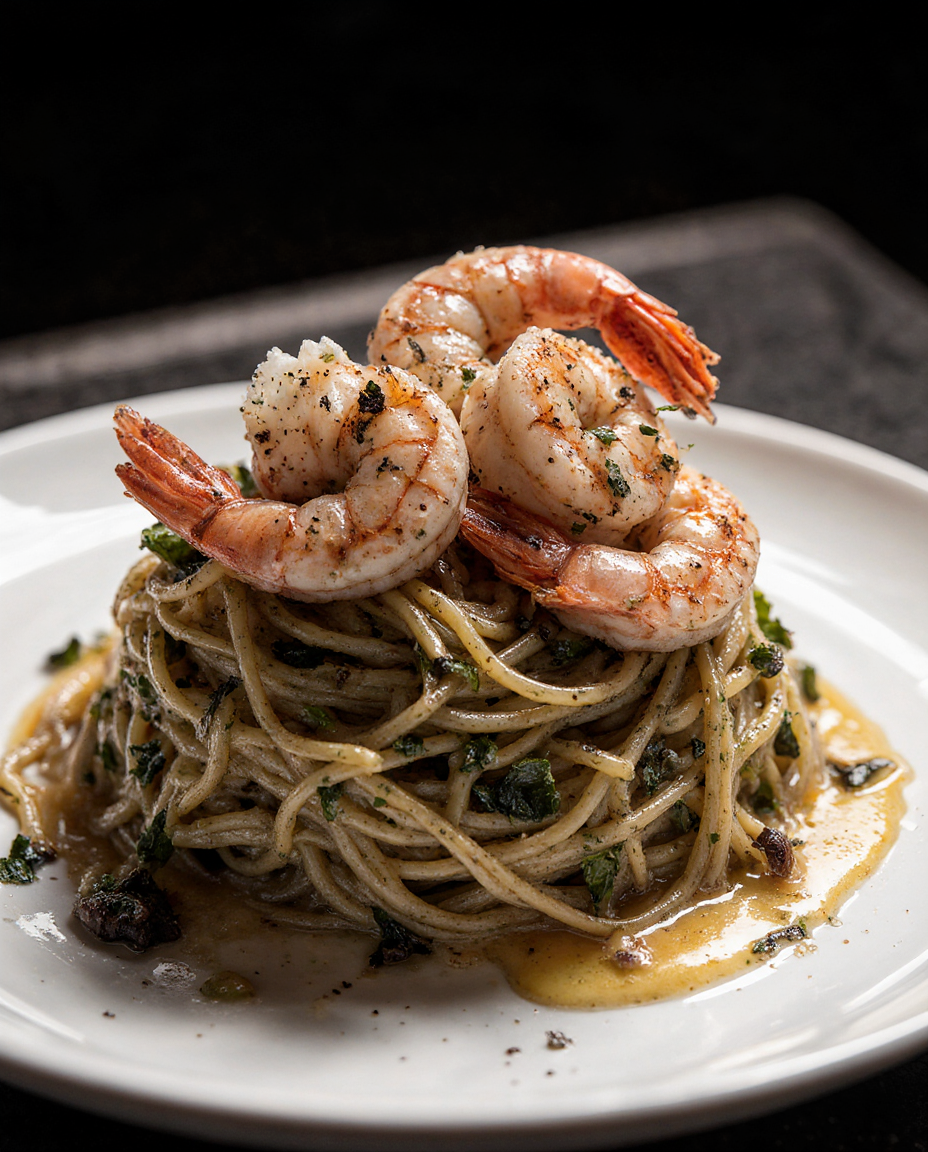
Cajun Shrimp Spaghetti
This Cajun shrimp spaghetti achieves perfect shrimp texture through precise cooking temperature and timing that prevents rubberiness, while the sauce emulsifies properly to coat each strand without breaking. The method focuses on spice layering that builds complexity without overwhelming heat, shrimp preparation that maximizes flavor absorption, and pasta integration that maintains ideal texture. Everything here works for weeknight timing with techniques that ensure the shrimp stay tender, the sauce clings properly, and the spice level remains balanced rather than one-dimensional.
Why this recipe works
Shrimp cooking science. Large shrimp (21-25 count) provide ideal meat-to-shell ratio and withstand the double cooking process without becoming tough. Patting them thoroughly dry before seasoning ensures proper searing and spice adhesion. The quick sear (2 minutes per side) develops flavor while keeping the interior tender, then they finish cooking gently in the sauce to prevent overcooking.
Spice layering technique. Seasoning the shrimp directly with Cajun seasoning creates a flavor crust, while adding additional spices to the vegetables builds depth. The cayenne provides adjustable heat that can be customized, and the smoked paprika adds complexity without making the dish taste smoky. This layered approach prevents one-note spiciness.
Sauce emulsion stability. The combination of butter, olive oil, and heavy cream creates a stable emulsion that coats the pasta without breaking. The Parmesan acts as an additional emulsifier while adding salty complexity. The starchy pasta water is crucial for bringing everything together into a cohesive sauce that clings to each strand.
Vegetable foundation. The holy trinity of onion, bell pepper, and celery (optional) provides the classic Cajun base that sweetens and adds texture. Cooking them until properly softened develops their natural sugars, which balance the spice heat and create flavor complexity beyond just heat.
Acid balancing. Lemon juice added at the end provides bright acidity that cuts through the richness of the cream and butter. This prevents the dish from tasting heavy or cloying while enhancing the other flavors. The timing (end of cooking) preserves the fresh citrus notes.
Ingredients (cups & tablespoons only)
Protein & Pasta
- 1 lblarge shrimp, peeled
- 12 ozspaghetti
- 2 tbspolive oil
- 1 tbspbutter
Vegetables & Aromatics
- 1onion, diced
- 1bell pepper, diced
- 2 stalkscelery, diced (optional)
- 3 clovesgarlic, minced
- 2 tbspparsley, chopped
Spices & Seasonings
- 2 tspCajun seasoning
- 1/2 tspsmoked paprika
- 1/4 tspcayenne pepper
- 1/2 tspblack pepper
- 1 tspkosher salt
Sauce & Finish
- 3 tbspbutter
- 1/2 cupchicken broth
- 1/2 cupheavy cream
- 1/4 cupParmesan, grated
- 1lemon, juiced
- 1 cuppasta water (reserved)
Recipe
- Prep shrimp: Pat shrimp thoroughly dry with paper towels. This is crucial for proper searing. Toss with 1 tsp Cajun seasoning and set aside while you prep other ingredients.
- Start pasta water: Bring large pot of heavily salted water to boil (should taste like seawater). Cook spaghetti according to package directions until al dente. Reserve 1 cup pasta water before draining.
- Sear shrimp: Heat large skillet over medium-high heat. Add 2 tbsp olive oil and 1 tbsp butter. When butter melts and foams, add shrimp in single layer. Cook 2 minutes per side until pink and slightly curled. Remove to plate.
- Sauté vegetables: Reduce heat to medium. Add onion, bell pepper, and celery (if using) to same skillet. Cook 5-6 minutes until softened and slightly browned. Add garlic and cook 1 minute until fragrant.
- Build spice base: Add remaining Cajun seasoning, smoked paprika, cayenne (if using), and black pepper to vegetables. Cook 1 minute until spices are fragrant, stirring constantly.
- Create sauce base: Add chicken broth to deglaze pan, scraping up any browned bits. Simmer 1 minute until reduced slightly. Stir in heavy cream and bring to gentle simmer.
- Emulsify sauce: Reduce heat to low. Whisk in remaining 3 tbsp butter and grated Parmesan until melted and sauce is slightly thickened. The sauce should coat the back of a spoon.
- Combine everything: Add drained spaghetti to skillet along with reserved shrimp and any accumulated juices. Toss to coat, adding reserved pasta water 1/4 cup at a time until sauce reaches desired consistency.
- Finish and serve: Remove from heat. Stir in parsley and lemon juice. Taste and adjust seasoning with salt and additional cayenne if desired. Serve immediately.
Work efficiently once you start cooking—the shrimp cook quickly and the sauce comes together in minutes. Have all ingredients prepped and within reach.
Shrimp technique & texture control
Drying importance
Thoroughly pat shrimp dry before seasoning. Moisture creates steam that prevents proper searing and spice adhesion. Dry surfaces develop the flavorful crust that defines this dish.
Cooking temperature
Medium-high heat provides the sear without burning the spices. The shrimp should sizzle immediately when added to the pan. Lower heat steams rather than sears.
Doneness indicators
Shrimp are done when they turn pink and form a loose “C” shape. Overcooked shrimp form a tight “O” and become rubbery. They’ll finish cooking in the sauce.
Spice balancing & heat control
Cajun seasoning composition. Commercial blends vary significantly in heat level and salt content. Taste your seasoning first—if very salty, reduce additional salt in recipe. If very mild, you may need additional cayenne. The 2 teaspoons provides balanced flavor without overwhelming heat for most palates.
Toasting technique. Adding spices to the cooked vegetables and cooking for 1 minute wakes up their essential oils and deepens flavor. This step transforms raw spice taste into complex, developed flavor. Watch closely—spices burn easily.
Heat customization. The cayenne pepper is completely optional and adjustable. Start with 1/8 teaspoon if sensitive to heat, or increase to 1/2 teaspoon for extra spicy. Remember the dish will taste spicier as it sits.
Layered seasoning. Seasoning the shrimp directly provides immediate flavor, while seasoning the vegetables builds background complexity, and final seasoning at the end adjusts the overall balance. This approach creates depth rather than one-dimensional heat.
Dairy balancing. The heavy cream and butter provide richness that tempers the spice heat. For spicier versions, you may need slightly more dairy to maintain balance. The fat carries the spice flavors while preventing overwhelming heat.
Sauce emulsion & pasta integration
Pasta water chemistry. The starchy pasta water is essential for proper sauce consistency. It contains dissolved starches that help emulsify the fats and liquids into a cohesive sauce that clings to the pasta. The salt in the water also seasons the entire dish.
Butter integration. Adding butter off heat or on very low heat prevents separation. The gradual melting and whisking creates a stable emulsion. If the sauce breaks, remove from heat and whisk vigorously or add a splash of cold cream.
Cream stability. Heavy cream has enough fat content to withstand the acid from lemon juice and the heat from spices without curdling. Don’t substitute with half-and-half or milk, which may separate.
Parmesan function. Beyond flavor, Parmesan acts as an emulsifier due to its protein and sodium citrate content. It helps bind the sauce components together. Add it off heat and whisk until completely melted.
Tossing technique. Use tongs to toss the pasta with the sauce vigorously. This action helps the sauce coat each strand and incorporates air for a lighter texture. The motion should be lifting and turning rather than stirring.
Common mistakes (and quick fixes)
- Rubbery shrimp: Overcooked or started with frozen shrimp. Cook 2 minutes per side only and ensure shrimp are fully thawed and dry.
- Broken sauce: Too high heat or rapid temperature changes. Maintain gentle heat when adding dairy and emulsify off heat if necessary.
- Pasta sticking: Insufficient water or not stirring initially. Use large pot with plenty of boiling water and stir during first minute of cooking.
- Bland sauce: Underseasoned or insufficient fond development. Season each layer and deglaze pan thoroughly to incorporate browned bits.
- Too spicy: Heavy-handed with cayenne or spicy Cajun blend. Balance with extra cream, butter, or a pinch of sugar. Serve with bread.
- Watery sauce: Too much pasta water or insufficient reduction. Add pasta water gradually and simmer sauce to desired consistency before adding pasta.
- Burnt spices: Cooked too long or too high heat. Add spices after vegetables are cooked and stir constantly for just 1 minute.
Substitutions & variations
Different seafood
- Scallops instead of shrimp
- Chicken breast, sliced thin
- Andouille sausage for classic Cajun
Different pastas
- Linguine or fettuccine
- Penne or rigatoni
- Whole wheat for nuttier flavor
Different sauces
- Tomato cream sauce: add 1/4 cup tomato paste
- White wine sauce: substitute broth with wine
- Dairy-free: coconut milk instead of cream
Extra vegetables
- 1/2 cup sliced mushrooms
- 1 cup cherry tomatoes, halved
- 1/2 cup corn kernels
Spice adjustments
- Mild: omit cayenne, use mild Cajun
- Extra spicy: add 1 chopped jalapeño
- Smoky: add 1/2 tsp chipotle powder
Different finishes
- Green onions instead of parsley
- Lemon zest with juice
- Extra Parmesan or Pecorino
When substituting proteins, adjust cooking times accordingly—chicken will take longer than shrimp, while scallops cook similarly but require careful temperature control.
Serving & presentation
- Plating style: Use tongs to create a pasta nest in shallow bowls. Arrange shrimp around the edges and spoon extra sauce over top. The vibrant colors should be visible.
- Garnish placement: Sprinkle parsley and additional Parmesan evenly over the dish. Lemon wedges can be served on the side or placed strategically on the plate.
- Temperature service: Serve immediately while the pasta is hot and the sauce is creamy. The dish doesn’t hold well for extended periods.
- Portion control: This makes 4 generous servings. For lighter appetites, it could serve 5-6 with a side salad or bread.
- Accompaniments: Crusty bread for sauce dipping, simple green salad with vinaigrette to cut the richness, or roasted vegetables for a complete meal.
Batching & make-ahead
Component prep
Chop vegetables and make spice blend up to 2 days ahead. Store separately in refrigerator. Shrimp should be prepped day of cooking.
Sauce base
Make vegetable and spice base up to 1 day ahead. Store in airtight container. Reheat gently before proceeding with recipe.
Complete dish
Not recommended—pasta continues to absorb sauce and shrimp become rubbery upon reheating. Best enjoyed fresh.
Equipment notes
- Skillet size: Use 12-inch skillet with deep sides for best results. It should hold all ingredients with room to toss the pasta.
- Pasta pot: Large 8-quart pot prevents pasta from sticking and allows proper water circulation for even cooking.
- Tongs: Essential for tossing pasta with sauce. Silicone-tipped tongs prevent scratching cookware surfaces.
- Measuring tools: Use measuring spoons for spices—the 2 tsp Cajun seasoning is critical for balanced flavor.
- Citrus juicer: Fresh lemon juice makes a significant difference. A reamer or electric juicer extracts maximum juice.
Nutrition (estimated)
| Nutrient | Amount |
|---|---|
| Calories | ~520 kcal |
| Total Fat | 18 g |
| Saturated Fat | 8 g |
| Carbohydrates | 55 g |
| Total Sugars | 6 g |
| Fiber | 3 g |
| Protein | 35 g |
| Sodium | ~980 mg |
| Vitamin C | ~60% DV |
| Iron | ~25% DV |
Numbers are estimates and will vary based on specific ingredients, especially Cajun seasoning salt content, shrimp size, and exact sauce quantities. Using lower-fat dairy options reduces calorie and fat content.
Storage & reheating
- Refrigeration: Store in airtight container up to 2 days. The pasta will absorb sauce, making it thicker upon reheating.
- Freezing: Not recommended—the dairy sauce may separate and shrimp become rubbery upon thawing.
- Reheating: Reheat gently in skillet with splash of broth or cream. Microwave can make shrimp rubbery—stir frequently if using.
- Pasta refresh: If pasta seems dry, toss with 1-2 tbsp water or broth before reheating to restore creaminess.
- Shrimp note: Reheated shrimp will be firmer than fresh. The texture change is unavoidable.
- Best consumed: Within 1 day for optimal texture. Quality declines noticeably after 2 days.
FAQ
Can I use frozen shrimp?
Yes—thaw completely in refrigerator overnight. Pat very dry before seasoning. Frozen shrimp often contain more water, so thorough drying is even more important.
My sauce broke and looks oily—how can I fix it?
Remove from heat and whisk in 1-2 tablespoons of cold heavy cream or broth. Alternatively, transfer to blender and pulse briefly to re-emulsify.
Can I make this less spicy?
Omit the cayenne entirely and use a mild Cajun seasoning blend. You can also increase the cream and butter to help temper any remaining heat.
What if I don’t have heavy cream?
You can use half-and-half, but the sauce may be thinner. For 1/2 cup half-and-half, mix with 1 tbsp flour or cornstarch to help thicken.
Can I use pre-cooked shrimp?
Not recommended—pre-cooked shrimp will become rubbery when reheated. If you must use them, add at the very end just to warm through.
How do I prevent the pasta from sticking together?
Use plenty of boiling water and stir during the first minute of cooking. Don’t add oil to the water—it prevents sauce from adhering to the pasta.
Cook notes
- Pat shrimp thoroughly dry—this is the most important step for proper searing.
- Salt pasta water generously—it should taste like seawater for properly seasoned pasta.
- Reserve pasta water—it’s essential for sauce consistency and emulsification.
- Don’t overcook shrimp—they continue cooking when returned to the sauce.
- Toast spices briefly—this deepens flavor but watch carefully to prevent burning.
- Serve immediately—the texture is best when freshly made and still hot.