Eggnog Cinnamon Rolls
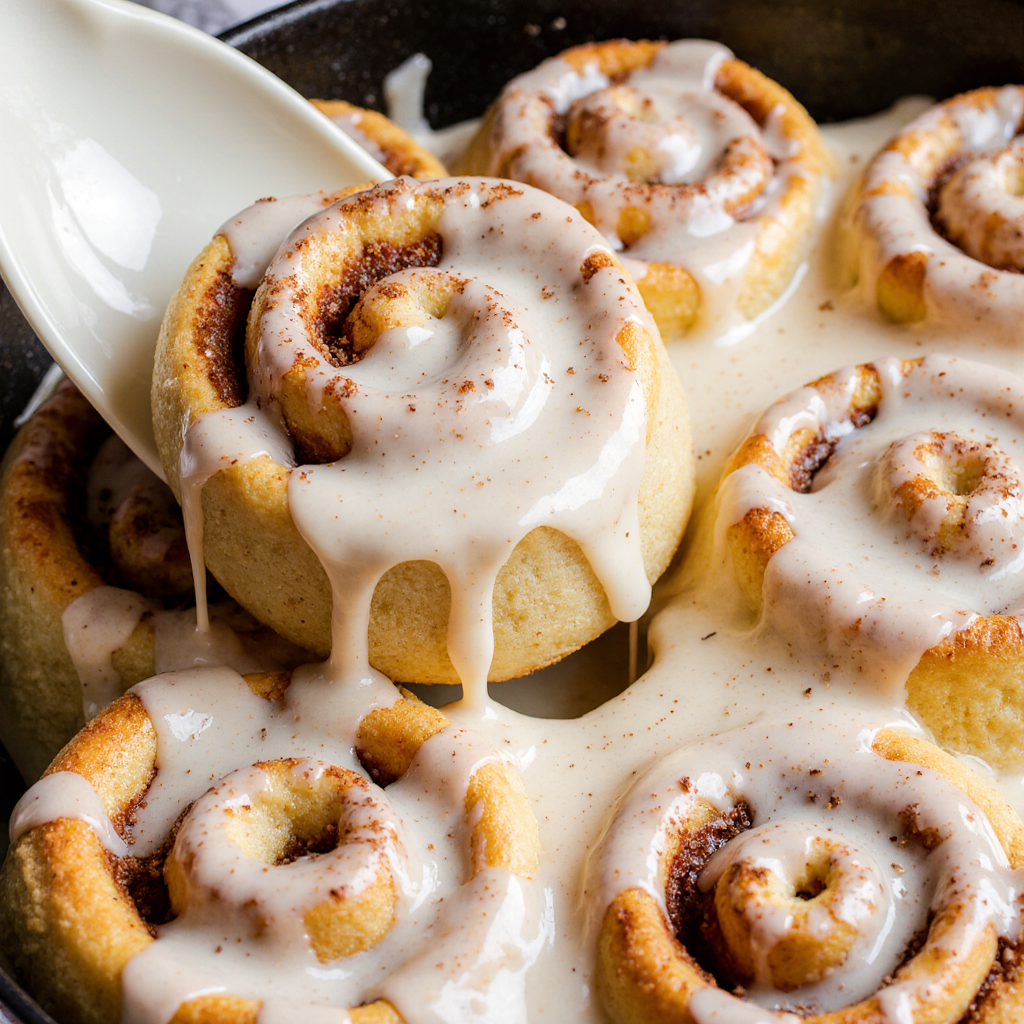
Eggnog Cinnamon Rolls
These eggnog cinnamon rolls achieve optimal texture through precise dough hydration with eggnog, controlled yeast fermentation for maximum fluffiness, and strategic butter incorporation for tender crumb structure. The method emphasizes proper gluten development, adequate proofing time, and temperature-controlled baking to create rolls that are pillowy soft with distinct spiral layers. The cream cheese frosting provides tangy contrast against the sweet spiced filling while the nutmeg infusion throughout creates cohesive holiday flavor that distinguishes these from standard cinnamon rolls.
Why this recipe works
Eggnog as liquid component. Replacing milk with eggnog introduces fat, sugar, and spices directly into the dough structure, creating richer flavor and more tender crumb. The fat content in eggnog (typically 6-8%) coats flour proteins, limiting gluten development for softer texture while the sugar feeds yeast and promotes browning. The spices in commercial eggnog complement rather than compete with the cinnamon filling. The 1 cup eggnog to 4 cups flour ratio provides optimal hydration – enough moisture for soft dough without becoming sticky or difficult to handle.
Enriched dough structure. The combination of eggs, butter, and sugar creates a brioche-style enriched dough that produces exceptionally tender rolls. The eggs provide structure through protein coagulation while contributing to the golden color. The melted butter in the dough and softened butter spread create distinct layers of fat that separate during baking, producing the characteristic spiral pattern. The sugar not only sweetens but also retains moisture, keeping rolls soft for days. This enrichment requires longer kneading time (8 minutes) to properly develop gluten despite the fat interference.
Dual rising strategy. The first rise (1-2 hours) allows yeast to ferment sugars, creating carbon dioxide for structure and developing flavor compounds. The second rise after shaping (45-60 minutes) lets the formed rolls expand, creating light, airy texture. Insufficient first rise produces dense rolls, while inadequate second rise results in tight, bread-like texture rather than fluffy softness. The warm environment (75-80°F) is crucial – too cold slows fermentation, too hot kills yeast. The doubled volume visual cue ensures proper fermentation regardless of time variations.
Filling distribution and spiral formation. Softened (not melted) butter spreads evenly across dough without soaking through, creating discrete fat layer. The brown sugar and cinnamon mixture adheres to butter, preventing it from falling out during rolling. Rolling tightly from the long edge creates maximum spiral rotations for visual appeal while maintaining structural integrity. Cutting with dental floss or sharp knife prevents compression that would seal the spirals. The 12-piece division ensures rolls touch during baking, keeping sides soft while tops brown.
Cream cheese frosting chemistry. Beat cream cheese and butter first to incorporate air and prevent lumps. The tangy cream cheese balances the sweet rolls and cuts through richness. Adding eggnog creates flavor cohesion while vanilla provides aromatic complexity. The room temperature ingredients ensure smooth emulsion – cold cream cheese creates lumpy frosting. Applying frosting to warm (not hot) rolls allows slight melting that helps frosting adhere while maintaining structure. The generous application creates the indulgent, bakery-style appearance that makes these rolls special occasion worthy.
Ingredients (cups & tablespoons only)
Dough
- 4 cupsall-purpose flour
- 1/4 cupgranulated sugar
- 2 1/4 tspinstant yeast
- 1 tspsalt
- 3/4 tspground nutmeg
- 1 cupeggnog, warmed
- 1/4 cupbutter, melted
- 2 largeeggs
Filling
- 1/2 cupbutter, softened
- 3/4 cupbrown sugar, packed
- 2 tbspground cinnamon
Cream Cheese Frosting
- 8 ozcream cheese, softened
- 1/4 cupbutter, softened
- 2 cupspowdered sugar
- 2 tbspeggnog
- 1 tspvanilla extract
- pinchground nutmeg
Recipe
- Prepare dough: In large bowl or stand mixer, combine 4 cups flour, 1/4 cup sugar, 2 1/4 tsp yeast, 1 tsp salt, and 3/4 tsp nutmeg. Mix dry ingredients thoroughly.
- Add wet ingredients: Warm 1 cup eggnog to 110°F. Whisk together with 1/4 cup melted butter and 2 eggs. Pour into dry ingredients.
- Knead dough: Mix on low speed until combined, then knead on medium speed for 8 minutes (or knead by hand 10 minutes) until smooth, elastic, and slightly tacky. Dough should pass windowpane test.
- First rise: Place dough in greased bowl, turn to coat. Cover with plastic wrap. Let rise in warm place 1-2 hours until doubled in size. Poke test – indent should remain.
- Prepare filling: While dough rises, mix 3/4 cup brown sugar and 2 tbsp cinnamon in small bowl. Set aside. Ensure 1/2 cup butter is softened to spreadable consistency.
- Roll dough: Punch down risen dough. On lightly floured surface, roll into 16×12 inch rectangle. Keep edges as straight as possible for uniform rolls.
- Add filling: Spread softened butter evenly over dough, leaving 1/2 inch border on one long edge. Sprinkle brown sugar-cinnamon mixture over butter, pressing gently to adhere.
- Roll and cut: Starting from long edge opposite the border, roll dough tightly into log. Pinch seam to seal. Using dental floss or sharp knife, cut into 12 equal pieces (about 1 1/3 inches each).
- Second rise: Arrange rolls cut-side up in greased 9×13 inch pan, spacing evenly (they should almost touch). Cover loosely with plastic wrap. Let rise 45-60 minutes until puffy and nearly doubled.
- Bake rolls: Preheat oven to 350°F. Bake risen rolls 22-25 minutes until golden brown and internal temperature reaches 190°F. Top should spring back when lightly touched.
- Make frosting: While rolls bake, beat 8 oz softened cream cheese and 1/4 cup softened butter until fluffy (2 minutes). Gradually add 2 cups powdered sugar. Mix in 2 tbsp eggnog, 1 tsp vanilla, and pinch nutmeg until smooth.
- Frost and serve: Let rolls cool in pan 5-10 minutes (warm but not hot). Spread frosting generously over rolls. Sprinkle with additional nutmeg if desired. Serve warm.
Rolls are best served warm on baking day but remain soft for up to 3 days stored properly. The eggnog keeps them exceptionally moist compared to standard cinnamon rolls. Frosting can be made while rolls bake for optimal timing.
Nutrition (estimated)
| Nutrient | Amount |
|---|---|
| Calories | ~385 kcal |
| Total Fat | 14 g |
| Saturated Fat | 8 g |
| Trans Fat | 0 g |
| Cholesterol | 65 mg |
| Sodium | 220 mg |
| Total Carbohydrates | 58 g |
| Dietary Fiber | 2 g |
| Total Sugars | 28 g |
| Added Sugars | 24 g |
| Protein | 7 g |
| Vitamin A | 180 mcg |
| Calcium | 85 mg |
| Iron | 2.2 mg |
| Potassium | 140 mg |
Nutrition calculated with full-fat eggnog and standard frosting application. Values vary based on specific brands. Using low-fat eggnog reduces calories by approximately 30 per roll. Frosting contributes about 110 calories per roll.
Dough science & gluten development
Flour hydration
Eggnog provides liquid plus fat. Sugar feeds yeast fermentation. Salt controls yeast activity. Eggs add structure and richness. Butter creates tender crumb. Nutmeg infuses holiday flavor.
Gluten formation
Kneading develops gluten strands. Fat coats proteins limiting development. Proper kneading creates elastic dough. Windowpane test confirms readiness. Smooth texture essential. Overworking makes tough rolls.
Enriched dough
Higher fat content requires longer kneading. Eggs provide structure and color. Sugar retains moisture for softness. Enrichment creates brioche-like texture. Rich flavor distinguishes from basic dough. Tender crumb is signature.
Yeast fermentation & proofing science
Understanding yeast biology and fermentation conditions ensures consistent, fluffy results through proper temperature control, adequate rising time, and correct environmental conditions.
Yeast activation and fermentation
- Instant yeast function: Instant yeast activates immediately when mixed with warm liquid. The 110°F eggnog temperature is optimal – warmer kills yeast, cooler slows activation. Instant yeast works faster than active dry, reducing total time.
- First rise importance: This bulk fermentation develops flavor through yeast metabolism while creating gas pockets for structure. The doubled volume indicates sufficient fermentation. Visual cue is more reliable than time since temperature affects speed.
- Proofing environment: Ideal temperature is 75-80°F. Too cold slows fermentation significantly; too hot kills yeast above 120°F. Draft-free location prevents surface drying. Humid environment (covered bowl) maintains dough moisture.
- Second rise necessity: After shaping deflates dough, second rise restores volume and lightens texture. This proofing creates the characteristic soft, pillowy interior. Insufficient second rise produces dense, heavy rolls.
- Over-proofing signs: Dough that rises too long becomes overly airy and may collapse. Poke test helps – slow spring-back indicates ready; no spring-back means over-proofed. Over-proofed dough makes uneven, tough rolls.
- Sugar’s dual role: Sugar feeds yeast for fermentation but too much can inhibit yeast. The 1/4 cup sugar balances feeding yeast while adding sweetness. This amount won’t slow fermentation significantly.
Temperature consistency is the most critical factor for reliable yeast performance. Using an oven with light on or microwave with bowl of hot water creates ideal proofing environment. Consistent conditions produce consistent results.
Filling techniques & spiral formation
Proper filling application and rolling technique create the signature spiral pattern while ensuring even distribution of flavor throughout each bite.
Butter spreading
Softened butter spreads without tearing. Room temperature is crucial. Melted butter soaks through dough. Even coverage ensures consistent flavor. Leave border for sealing. Prevents filling leakage.
Sugar distribution
Brown sugar provides moisture and flavor. Cinnamon adds warmth and aroma. Press mixture into butter gently. Even distribution crucial. Corners need attention. Prevents sugar pockets.
Rolling technique
Tight rolling creates defined spirals. Start from filled edge. Maintain even pressure throughout. Pinch seam to seal. Sharp knife prevents compression. Dental floss cuts cleanly.
Frosting science & application
The cream cheese frosting provides essential contrast against sweet rolls while the tangy profile balances richness through proper ingredient temperature and mixing technique.
Frosting preparation principles
- Temperature control: Room temperature cream cheese and butter blend smoothly without lumps. Cold ingredients create grainy texture. Leave on counter 1-2 hours before using. Microwave warming creates uneven softening.
- Mixing sequence: Beat cream cheese and butter first to incorporate air and create light texture. Add sugar gradually to prevent clumping. Liquid additions (eggnog, vanilla) come last for proper consistency.
- Eggnog addition: The 2 tablespoons eggnog creates flavor cohesion with rolls while thinning frosting to spreadable consistency. Too much liquid makes frosting runny. Add gradually to control thickness.
- Application timing: Frost warm (not hot) rolls for best results. Hot rolls melt frosting into puddle. Cold rolls prevent frosting from setting properly. 5-10 minute cooling is optimal.
- Consistency adjustment: Too thick frosting is difficult to spread and looks clumpy. Add eggnog by teaspoon to thin. Too thin frosting runs off sides. Add powdered sugar by tablespoon to thicken.
- Flavor balance: Cream cheese tanginess cuts sweetness of rolls and filling. Vanilla provides aromatic complexity. Nutmeg ties frosting to dough flavor profile. Balance prevents cloying sweetness.
Generous frosting application is signature of these rolls. Don’t be shy – the frosting should coat rolls thoroughly and pool between them slightly. This creates the indulgent, bakery-style appearance that makes these special.
Common mistakes (and quick fixes)
- Dense, heavy rolls: Insufficient rising time or dead yeast. Ensure yeast is fresh (check expiration) and dough doubles fully during both rises. If yeast seems inactive, start over with fresh yeast.
- Dry, tough texture: Overkneading or overbaking. Knead just until smooth and elastic (8 minutes). Bake only until golden – overbaking dries rolls. Check at 22 minutes.
- Filling leaking out: Rolling too loosely or cutting with dull knife. Roll tightly and use dental floss or very sharp knife. Pinch seam well. Leave 1/2 inch border unfilled.
- Uneven rising: Inconsistent temperature or drafts. Use warm, draft-free location. Oven with light on provides consistent warmth. Cover dough well to retain heat and moisture.
- Lumpy frosting: Cold cream cheese or overmixing after sugar addition. Ensure cream cheese and butter are truly room temperature. Beat smooth before adding sugar. Mix gently after sugar incorporated.
- Rolls spread apart: Placed too far apart in pan. Arrange rolls so they almost touch – they’ll expand together during second rise and baking, creating soft sides while keeping shape.
- Pale tops: Oven temperature too low or insufficient baking time. Use oven thermometer to verify temp. Bake until deep golden brown. Light color indicates underbaking.
- Burned bottoms: Oven too hot or pan too dark. Reduce temperature by 25°F if using dark pan. Place pan on middle rack. Check doneness by internal temperature (190°F).
Substitutions & variations
Instead of eggnog
- Whole milk: plain version
- Half-and-half: richer base
- Almond milk + spices: dairy-free
- Coconut milk: tropical twist
- Buttermilk: tangy flavor
- Pumpkin spice latte: fall version
Different fillings
- Cream cheese: tangy center
- Pecans: crunchy texture
- Orange zest: citrus brightness
- Cardamom: exotic spice
- Apple pie spice: complex warmth
- Maple sugar: Canadian twist
Different toppings
- Vanilla glaze: simpler option
- Rum frosting: adult version
- Maple cream cheese: fall flavor
- Bourbon glaze: sophisticated
- Brown butter frosting: nutty
- Caramel drizzle: rich finish
Different spices
- Cardamom: Scandinavian style
- Ginger: spicy kick
- Cloves: intense warmth
- Allspice: complex flavor
- Pumpkin pie spice: autumn version
- Chai spice blend: exotic
Mix-in options
- Raisins: traditional sweet
- Chopped pecans: crunch
- Candied ginger: spicy-sweet
- Chocolate chips: indulgent
- Cranberries: tart contrast
- Candied orange peel: festive
Different shapes
- Mini rolls: party size
- Giant roll: centerpiece
- Pull-apart bread: sharing style
- Wreath shape: holiday presentation
- Individual cups: muffin pan
- Rolled loaf: sliceable version
Make-ahead options & overnight method
Strategic make-ahead planning allows fresh-baked rolls for Christmas morning without early wake-up through cold retardation and proper storage techniques.
Overnight refrigerator method
- Night before preparation: Complete recipe through step 9 (rolls in pan after cutting). Cover pan tightly with plastic wrap and refrigerate overnight (8-16 hours). Cold temperature slows yeast without stopping it completely.
- Morning baking: Remove pan from refrigerator 45-60 minutes before baking. Let sit at room temperature (still covered) until rolls look puffy and have risen noticeably. Bake as directed. This method provides fresh-baked rolls without early morning dough prep.
- Dough only make-ahead: Prepare dough through first rise. Punch down, shape into disk, wrap tightly, and refrigerate up to 24 hours. Bring to room temperature (1 hour) before rolling and filling. Cold dough is easier to roll thin.
- Frozen unbaked option: Prepare through cutting and arranging in pan. Flash freeze until solid (2 hours), then wrap pan tightly in plastic and foil. Freeze up to 1 month. Thaw overnight in refrigerator, then proceed with second rise and baking.
- Frosting timing: Make frosting up to 3 days ahead. Store refrigerated in airtight container. Bring to room temperature and re-whip briefly before using. Fresh frosting has better texture but advance prep saves morning time.
- Baked and frozen: Bake rolls completely, cool fully, wrap individually in plastic, then place in freezer bag. Freeze up to 2 months. Thaw at room temperature, warm briefly in microwave (15-20 seconds), then frost. Quality nearly matches fresh.
The overnight refrigerator method is ideal for Christmas morning – minimal morning work while still getting fresh-baked results. The cold fermentation actually improves flavor by allowing more complex compounds to develop during slow rise.
Serving suggestions & presentation
Proper serving enhances the Christmas morning experience through temperature control, accompaniment selection, and appealing presentation that matches the special occasion.
Serving recommendations
- Optimal temperature: Serve warm but not hot. Hot rolls cause frosting to melt into puddle. Room temperature rolls are good but lack the comforting warmth perfect for Christmas morning. Reheat individual rolls 10-15 seconds in microwave.
- Beverage pairings: Coffee is classic – the bitter notes contrast sweet rolls. Hot chocolate doubles down on indulgence. Eggnog latte creates flavor cohesion. Milk provides refreshing palate cleanser. Orange juice adds bright acidity.
- Breakfast combinations: Pair with scrambled eggs and bacon for complete Christmas breakfast. Fresh fruit salad provides refreshing contrast. Greek yogurt adds protein. These rolls are filling – one per person often suffices.
- Presentation ideas: Serve directly from baking pan for casual family style. Transfer to decorative platter for elegant presentation. Garnish platter with fresh rosemary or cranberries for holiday color. Dust with extra powdered sugar for snow effect.
- Individual plating: Place warm roll on small plate. Drizzle extra frosting around edge. Add fresh berries. Dust with nutmeg. Garnish with mint sprig. This elevates simple roll to plated dessert.
- Portion considerations: These rich rolls are substantial. One roll per person for breakfast along with other dishes. Two rolls if serving as main breakfast item. Mini versions (18-24 from same dough) work better for large brunches.
The aromatic appeal is part of the experience – the warm cinnamon and nutmeg scent fills the house, creating that magical Christmas morning atmosphere. Time baking to finish just before serving for maximum aromatic impact.
Storage guidelines & shelf life
Proper storage maintains softness and prevents drying while addressing the challenge of frosted baked goods storage through appropriate containers and temperature control.
Storage methods and timelines
- Room temperature storage: Store frosted rolls in airtight container or covered pan at room temperature for up to 2 days. The eggnog and butter keep rolls exceptionally moist. Longer storage requires refrigeration to prevent spoilage.
- Refrigerator storage: Refrigerate frosted rolls in airtight container for up to 5 days. Cold storage firms frosting and dries rolls slightly. Bring to room temperature or warm briefly before serving for best texture.
- Unfrosted storage advantage: Store unfrosted rolls wrapped tightly for up to 4 days room temperature or 1 week refrigerated. Frost individual rolls as needed. This maintains better texture than storing frosted.
- Reheating techniques: Microwave individual roll 15-20 seconds. Oven method: cover pan with foil, warm at 300°F for 10-15 minutes. Toaster oven works well for 1-2 rolls. Don’t overheat or rolls dry out.
- Freezing guidelines: Wrap individual unfrosted rolls in plastic, then place in freezer bag. Freeze up to 3 months. Thaw at room temperature, warm if desired, then frost. Freezing frosted rolls causes frosting to weep and separate.
- Maintaining softness: The enriched dough stays softer longer than lean dough. Store with slice of bread in container to maintain moisture. Replace bread daily. Avoid refrigeration if possible as cold temperature accelerates staling.
Day-old rolls are still excellent – some prefer the slightly denser texture after the initial softness sets. Day three marks noticeable quality decline. The frosting remains good throughout storage period but may become slightly harder when refrigerated.
Frequently asked questions
Can I use active dry yeast instead of instant?
Yes, but blooming is required. Dissolve active dry yeast in the warm eggnog with pinch of sugar. Let stand 5-10 minutes until foamy. Then proceed with recipe. You may need to add 15-30 minutes to rising times as active dry works slower than instant.
Why didn’t my dough rise properly?
Most common causes: dead yeast (check expiration date), liquid too hot (killed yeast) or too cold (slowed yeast), insufficient time, or environment too cold. Use instant-read thermometer to verify liquid temperature (110°F ideal). Ensure warm rising location.
Can I make these without eggnog?
Yes. Replace eggnog with equal amount whole milk plus 1/4 teaspoon vanilla extract and 1/4 teaspoon nutmeg mixed in. The rolls will lack the distinct eggnog flavor but will still be delicious cinnamon rolls with good texture.
How do I know when rolls are fully baked?
Visual cues: deep golden brown color, springs back when lightly touched. Technical test: internal temperature should reach 190°F on instant-read thermometer. Underbaked rolls will have doughy centers. Overbaked rolls will be dry and tough.
Can I make the dough in bread machine?
Yes. Add ingredients in order specified by your machine’s manual (typically liquids first, then dry ingredients, yeast last). Use dough cycle. Remove when complete, then proceed with rolling, filling, second rise, and baking as directed.
Why did my rolls spread instead of rise up?
Dough too soft (add flour by tablespoon during kneading if very sticky), rolls placed too far apart in pan (they should almost touch), or insufficient second rise. The rolls expand together during baking, supporting each other’s rise rather than spreading.
Baker notes & professional tips
These insights from extensive testing and professional bakers will help achieve bakery-quality eggnog cinnamon rolls with consistent, impressive results.
Advanced techniques for perfect results
- Dough temperature control: Final dough temperature should be 75-78°F for optimal yeast activity. Too cold slows rise significantly. Too warm (above 80°F) accelerates rise too much. Adjust water temperature to compensate for room temperature variations.
- Kneading verification: Windowpane test is reliable – stretch small dough piece thin enough to see light through without tearing. Proper gluten development creates this elasticity. Under-kneaded dough tears easily; over-kneaded becomes tough.
- Even rolling technique: Use ruler to verify 16×12 inch dimensions. Consistent thickness ensures even cooking. Patch any tears immediately – thin spots can burn while thick spots remain underdone. Work on lightly floured surface to prevent sticking.
- Cutting precision: Mark log into 12 equal sections before cutting. Dental floss technique: slide under log, cross ends over top, pull tight. This prevents compression that sealing knife causes. Compressed edges inhibit proper rise.
- Pan selection matters: Metal pan conducts heat better than glass, promoting even browning. Dark pans cook faster – reduce temperature 25°F. Using 9×13 inch pan ensures rolls touch during baking, creating soft sides while tops brown.
- Frosting consistency: Frosting should be thick enough to hold shape but spreadable without effort. Test consistency by lifting beater – frosting should fall slowly back into bowl. Adjust with powdered sugar (thicker) or eggnog (thinner) by tablespoon.
- Flavor enhancements: Toast 1/4 cup chopped pecans and add to filling for crunch. Brush baked rolls with melted butter before frosting for extra richness. Add 1 teaspoon rum extract to frosting for sophisticated flavor.
- Visual perfection: For evenly browned rolls, rotate pan 180 degrees halfway through baking. For glossy appearance, brush tops lightly with cream before baking. For extra-soft tops, place foil tent over rolls last 5 minutes of baking.
The difference between good and exceptional cinnamon rolls lies in attention to detail – proper rising, even rolling, and correct baking time. These rolls require patience but the aromatic, fluffy, perfectly spiced results create Christmas morning magic that makes the effort worthwhile. The eggnog addition transforms standard cinnamon rolls into something special that honors holiday traditions while offering contemporary appeal.