Cheesy Baked Corn on the Cob
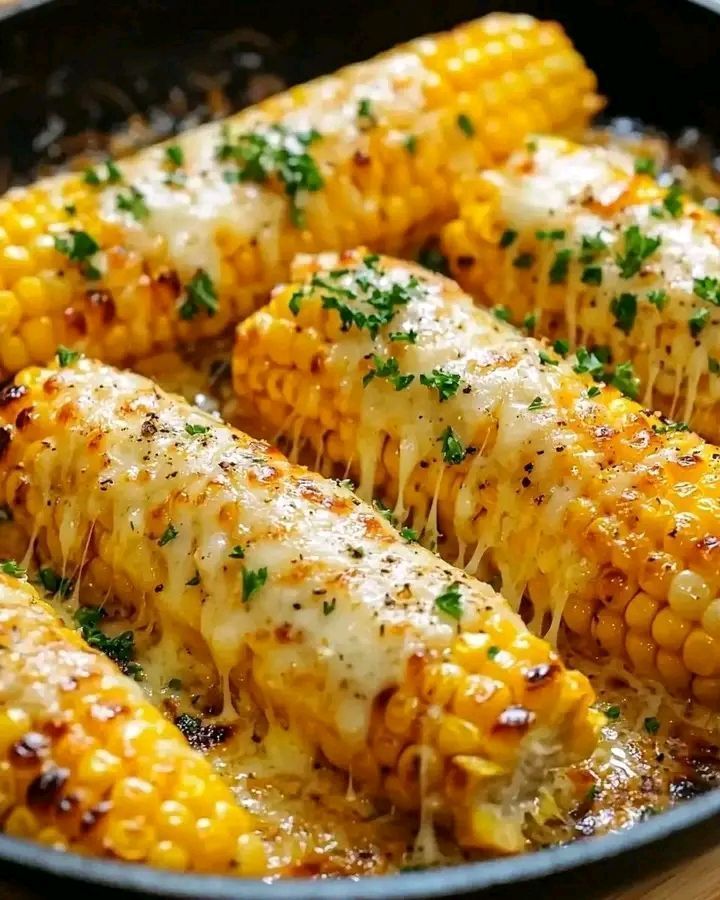
Cheesy Baked Corn on the Cob
This baked corn achieves perfect cheese adhesion through a creamy base that grips the corn kernels while baking to golden perfection. The method focuses on corn preparation that maximizes natural sweetness, cheese blending that creates cohesive melting without separation, and baking temperatures that cook the corn through while developing flavorful browning. Everything here works for fresh summer corn or quality frozen, with techniques that prevent the common issues of sliding cheese coating and uneven cooking.
Why this recipe works
Two-stage baking method. Baking the corn first without cheese develops Maillard reaction on the kernels, creating deeper flavor and slightly drying the surface. This crucial step ensures the cheese mixture adheres properly rather than sliding off wet corn. The initial bake also starts the cooking process so the corn is perfectly tender when the cheese is golden.
Emulsion-based cheese coating. The mayonnaise and sour cream create a stable emulsion that holds the cheese particles in suspension. This prevents the cheese from separating into greasy pools while baking. The fat in the dairy products also carries flavor through the cheese layer and helps it brown evenly.
Strategic cheese blending. Sharp cheddar provides bold flavor and excellent meltability, Parmesan adds salty complexity and helps with browning, while cotija contributes crumbly texture and tangy finish. This combination creates layered cheese experience rather than one-note cheesiness.
Flavor building through layers. Butter applied first seasons the corn and provides rich base notes. The spice blend in the cheese mixture adds complexity without overwhelming the corn’s natural sweetness. Fresh lime and cilantro at the end provide bright contrast to cut through the richness.
Temperature precision. 400°F is hot enough to brown the cheese and cook the corn through, but not so hot that the cheese burns before the corn is tender. The two-stage approach allows each component to cook at its ideal rate.
Ingredients (cups & tablespoons only)
Corn & Base
- 4 earsfresh corn, husked
- 4 tbspbutter, softened
- 1/2 tspkosher salt
- 1/4 tspblack pepper
Cheese Mixture
- 1/2 cupmayonnaise
- 1/2 cupsour cream
- 1 cupsharp cheddar, shredded
- 1/4 cupParmesan, grated
- 1 tspchili powder
- 1/2 tspgarlic powder
- 1/4 tspsmoked paprika
- 1/4 tspblack pepper
Finishes & Garnishes
- 1/4 cupcotija cheese, crumbled
- 2 tbspfresh cilantro, chopped
- 1lime, cut into wedges
- 1 pinchflaky sea salt (optional)
Recipe
- Prep oven and corn: Preheat oven to 400°F. Line baking sheet with parchment paper or foil for easy cleanup. Remove husks and silk from corn ears. Rinse and pat dry.
- Butter and season: Using pastry brush or hands, coat each ear of corn evenly with softened butter. Season generously with salt and pepper on all sides.
- First bake: Arrange corn in single layer on prepared baking sheet. Bake 15 minutes until corn is slightly tender and beginning to show light golden spots. Rotate halfway through for even cooking.
- Make cheese mixture: While corn bakes, combine mayonnaise, sour cream, shredded cheddar, grated Parmesan, chili powder, garlic powder, smoked paprika, and black pepper. Mix until well combined.
- Apply cheese coating: Remove corn from oven. Using spatula or butter knife, spread cheese mixture evenly over each ear of corn, covering all sides. Work quickly while corn is hot.
- Second bake: Return corn to oven and bake additional 10-12 minutes until cheese mixture is bubbly, golden brown, and slightly crisp at edges.
- Finish and serve: Remove from oven and immediately sprinkle with crumbled cotija cheese and chopped cilantro. Serve hot with lime wedges for squeezing over top.
The cheese mixture will be thick—spread it carefully to create an even layer that covers the corn completely without clumping.
Corn selection & preparation
Freshness indicators
Look for bright green husks that feel slightly damp, brown sticky silk, and kernels that release milky liquid when pierced. Avoid corn with yellowing husks or dry, black silk.
Husk removal
Remove husks and all silk just before cooking to preserve moisture. Use damp paper towel to rub away stubborn silk strands. Rinsing helps remove remaining silk.
Size considerations
Medium-sized ears (6-7 inches) work best. Very large ears may need longer initial baking time, while small ears might cook faster—adjust timing accordingly.
Cheese science & emulsion
Mayonnaise function. The egg and oil emulsion in mayonnaise provides stable base that prevents cheese separation. It also adds richness and helps the cheese mixture spread evenly. Full-fat mayonnaise works best—light versions may contain more water and affect texture.
Sour cream role. Sour cream adds tang that balances the richness while providing additional emulsion stability. Its acidity also helps tenderize the corn slightly and enhances other flavors. Greek yogurt can substitute but will be tangier.
Cheese melting properties. Sharp cheddar has excellent meltability due to moderate moisture and fat content. Pre-shredded cheese contains anti-caking agents that can affect melting—shred your own for smoothest results. The cheese should be cold when mixed for best texture.
Spice integration. Chili powder provides mild heat and color, garlic powder adds savory depth without burning, and smoked paprika contributes complexity without overwhelming smokiness. These dry spices integrate better when mixed with the wet ingredients first.
Emulsion stability. The mayonnaise and sour cream create a stable base that holds the cheese particles in suspension during baking. This prevents oil separation and ensures even melting and browning across the entire corn surface.
Baking technique & temperature
Two-stage rationale. Baking corn first develops flavor through Maillard browning and partially cooks the kernels. This step also dries the surface slightly, creating better adhesion for the cheese mixture. Adding cheese too early results in overcooked cheese or undercooked corn.
Temperature control. 400°F provides enough heat to brown the cheese and cook the corn through without burning. Higher temperatures risk burning the cheese before the corn is tender; lower temperatures won’t develop proper browning and may make the cheese greasy.
Positioning and rotation. Place corn in the center of the oven for even heat distribution. Rotate the baking sheet halfway through each baking stage to ensure all sides cook evenly, since most ovens have hot spots.
Doneness indicators. The corn is ready for cheese application when kernels are slightly shrunken and show light golden spots. The cheese is done when bubbly, evenly golden brown, and slightly crisp at the edges but not blackened.
Resting consideration. Unlike meats, this dish doesn’t need resting—serve immediately while the cheese is hot and stretchy. The texture is best within 5 minutes of removing from oven.
Common mistakes (and quick fixes)
- Cheese sliding off: Corn too wet or cheese applied to cold corn. Pat corn dry thoroughly and apply cheese while corn is hot from first bake. Burned cheese: Oven too hot or baked too long. Use 400°F exactly and watch closely during final 5 minutes. If browning too fast, tent with foil.
- Undercooked corn: Ears too large or oven temperature too low. Test corn tenderness with fork before cheese application. Larger ears may need 18-20 minutes initial bake.
- Greasy separation: Cheese mixture overworked or wrong cheese selection. Mix just until combined and use cheeses with good meltability like cheddar rather than hard cheeses alone.
- Bland flavor: Insufficient seasoning or poor quality corn. Season each layer generously and use fresh, sweet corn for best results.
- Soggy texture: Corn not baked long enough initially or overcrowded pan. Ensure single layer spacing and complete initial baking time.
- Uneven cooking: Corn ears different sizes or poor oven circulation. Select similarly sized ears and rotate pan halfway through each baking stage.
Substitutions & variations
Lighter options
- Greek yogurt instead of sour cream
- Light mayonnaise or miracle whip
- Reduced-fat cheeses
Different cheese blends
- Pepper jack for spicy version
- Monterey jack for milder flavor
- Queso fresco instead of cotija
Different cuisines
- Italian: basil, oregano, mozzarella
- Tex-Mex: cumin, chipotle, jalapeño
- Ranch: dill, chives, ranch seasoning
Alternative techniques
- Grill instead of bake (watch flare-ups)
- Broil final 2-3 minutes for extra browning
- Air fry at 375°F for 12-15 minutes
Special diets
- Vegan: plant-based cheeses and mayo
- Dairy-free: nutritional yeast + vegan subs
- Gluten-free: naturally compliant
Extra ingredients
- 2 tbsp cooked bacon crumbles
- 1 tbsp chopped pickled jalapeños
- 1 tsp everything bagel seasoning
When substituting cheeses, consider meltability—hard, aged cheeses like Parmesan alone won’t melt well, while very soft cheeses may become too runny.
Serving & presentation
- Plating style: Serve on individual plates or rustic wooden board. The golden cheese and green cilantro create beautiful contrast against the yellow corn.
- Garnish placement: Sprinkle cotija and cilantro evenly over all sides. Place lime wedges strategically for easy access without covering the cheese.
- Utensil strategy: Provide corn holders for neat eating, or serve with plenty of napkins for handheld enjoyment. Small forks can help with any cheese that falls off.
- Temperature service: Serve immediately after baking—the cheese texture is best when hot and stretchy. Within 10 minutes, the cheese begins to set.
- Accompaniments: Perfect with grilled meats, summer salads, or as part of a barbecue spread. The rich corn pairs well with acidic or fresh side dishes.
Batching & scaling
Small batch (2 ears)
Halve all ingredients exactly. Baking times remain the same since temperature and corn size don’t change.
Large batch (8+ ears)
Use multiple baking sheets and rotate positions in oven. May need 2-3 minutes longer baking time due to crowded oven.
Make-ahead
Prepare cheese mixture up to 2 days ahead. Store covered in refrigerator. Corn should be husked fresh before baking.
Equipment notes
- Baking sheets: Rimmed baking sheets contain any butter or cheese drips. Dark sheets may promote faster browning—reduce temperature by 25°F if using dark metal.
- Lining materials: Parchment paper provides non-stick surface and easy cleanup. Foil can be used but may promote more browning on the bottom.
- Mixing bowls: Medium bowl for cheese mixture. Glass or metal bowls are easier to clean than plastic for cheese mixtures.
- Spreading tools: Small offset spatula works best for even cheese application. Butter knife or back of spoon can substitute.
- Oven thermometer: Crucial for accuracy—home ovens often run 25-50°F hot or cold, which significantly affects baking results.
Nutrition (estimated)
| Nutrient | Amount |
|---|---|
| Calories | ~320 kcal |
| Total Fat | 18 g |
| Saturated Fat | 10 g |
| Carbohydrates | 28 g |
| Total Sugars | 9 g |
| Fiber | 3 g |
| Protein | 14 g |
| Sodium | ~480 mg |
| Vitamin C | ~15% DV |
| Calcium | ~30% DV |
Numbers are estimates and will vary based on specific ingredients, especially cheese fat content, mayonnaise brand, and corn size. Using reduced-fat dairy options lowers calorie and fat content.
Storage & reheating
- Refrigeration: Store leftovers in airtight container up to 3 days. The cheese will firm up and the corn may release moisture.
- Freezing: Not recommended—the dairy components separate and the corn becomes mushy upon thawing.
- Reheating: Reheat in 350°F oven for 10-12 minutes until warm. Microwave can make cheese greasy and corn rubbery—use only if necessary.
- Texture note: Leftovers will have different texture—the cheese loses its stretchiness and the corn becomes softer.
- Best consumed: Immediately after baking. Quality declines noticeably after first day.
- Make-ahead limit: Cheese mixture can be made 2 days ahead, but complete assembly should happen just before baking.
FAQ
Can I use frozen corn on the cob?
Yes—thaw completely and pat very dry before buttering. Frozen corn may release more water during baking, so extend the initial bake time by 3-5 minutes to ensure proper drying.
My cheese mixture is too thick to spread—what should I do?
Add 1-2 tablespoons of milk or buttermilk to thin slightly. The mixture should be spreadable but not runny—like thick frosting consistency.
Can I make this without mayonnaise?
Yes—substitute with additional sour cream or Greek yogurt, but the emulsion may be less stable. The flavor will be tangier and the browning may be different.
How do I prevent the cheese from burning?
Watch closely during final 5 minutes and tent with foil if browning too quickly. Ensure oven temperature is accurate with thermometer—many ovens run hot.
Can I prepare this entirely ahead and bake later?
Not recommended—the salt will draw moisture from the corn, making it watery. Best to assemble just before baking for proper texture.
What if I don’t have cotija cheese?
Substitute with feta, queso fresco, or additional Parmesan. The texture and saltiness will be slightly different but still delicious.
Cook notes
- Use fresh corn—quality corn makes the biggest difference in final result.
- Shred your own cheese—pre-shredded contains anti-caking agents that affect melting.
- Don’t skip the first bake—this ensures proper corn cooking and cheese adhesion.
- Spread cheese evenly—thick spots burn, thin spots lack flavor.
- Serve immediately—the cheese texture is best when hot from the oven.
- Season each layer—butter, cheese mixture, and finish all need seasoning.