Classic Beef Stew with Root Vegetables
Classic Beef Stew with Root Vegetables
October 27, 2025 • by The Cooks Collection
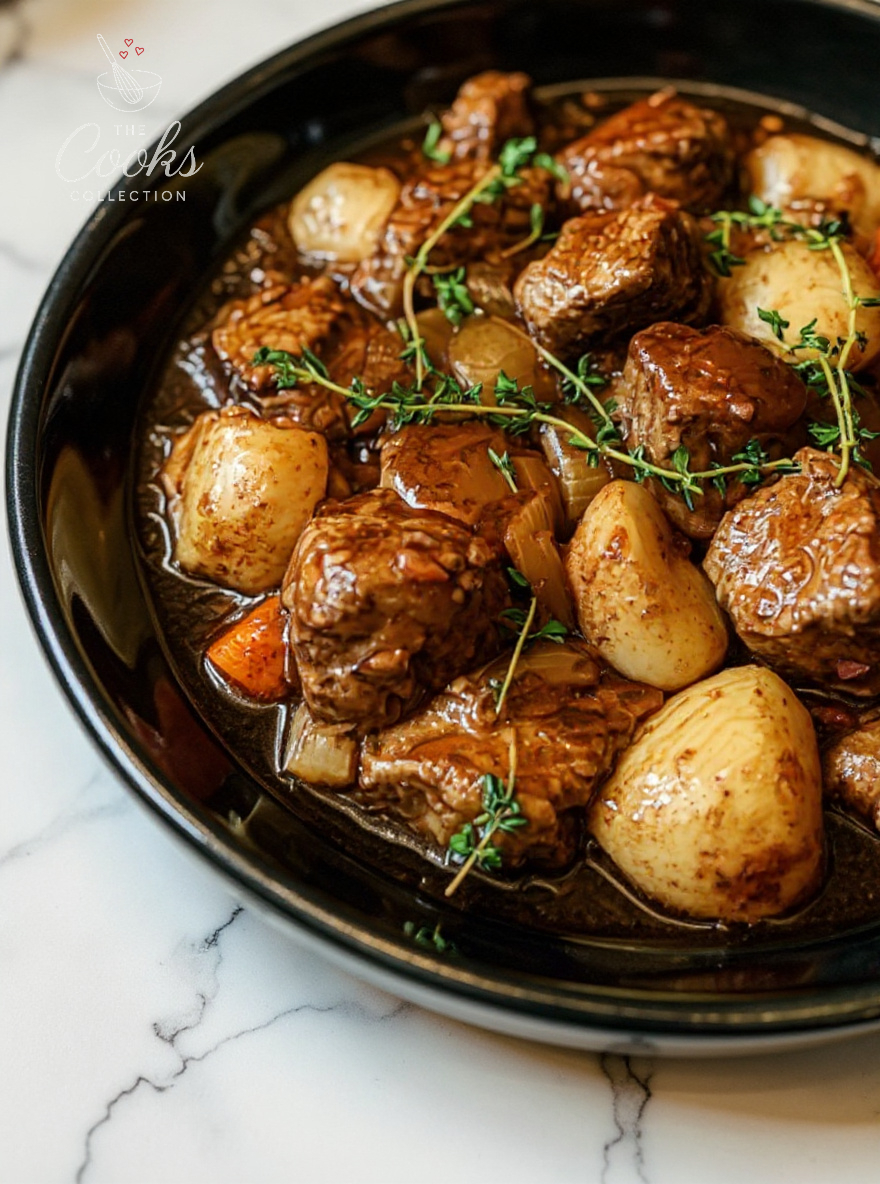
When the weather turns cool and you crave something that warms you to the core, few dishes deliver like a Classic Beef Stew with Root Vegetables. This hearty, slow-simmered stew is comfort in its purest form — tender chunks of beef, buttery potatoes, sweet carrots, and caramelized onions, all bathed in a rich, glossy broth that tastes like home. It’s the kind of dish that fills the kitchen with the scent of simmering herbs and slow-cooked goodness — a timeless recipe that’s both rustic and refined.
Every spoonful tells a story: the deep flavor of browned beef, the sweetness of root vegetables cooked just to the point of tenderness, and the silky sauce thickened naturally by time and care. This version balances classic technique with an approachable process — no shortcuts, no overly complex steps, just honest ingredients cooked slowly until they become something greater than the sum of their parts. Whether it’s a quiet Sunday supper or the centerpiece of a family dinner, this stew never fails to comfort.
Why You’ll Love This Recipe
- Rich, layered flavor: Browning the beef and caramelizing the vegetables builds a deep, savory base.
- Perfect texture: The beef becomes melt-in-your-mouth tender while the vegetables stay hearty and satisfying.
- Classic technique, simple process: No complicated steps — just slow simmering and quality ingredients.
- Make-ahead friendly: The stew actually tastes better the next day as the flavors meld together.
- Comfort food at its best: A warm bowl, a slice of bread, and a drizzle of olive oil — perfection.
Ingredients (Serves 6–8)
For the Stew
- 2 1/2 pounds beef chuck, cut into 2-inch cubes
- 1 1/2 teaspoons kosher salt
- 1 teaspoon black pepper
- 3 tablespoons olive oil, divided
- 2 tablespoons all-purpose flour
- 1 large yellow onion, chopped
- 3 cloves garlic, minced
- 2 tablespoons tomato paste
- 1 1/2 cups dry red wine (or beef broth)
- 3 cups beef stock
- 2 bay leaves
- 4 sprigs fresh thyme (or 1 teaspoon dried thyme)
- 2 teaspoons Worcestershire sauce
- 1 1/2 cups carrots, peeled and cut into chunks
- 1 1/2 cups small potatoes, halved
- 1 cup celery, sliced
- 1 teaspoon sugar (optional, to balance acidity)
- 1 tablespoon chopped fresh parsley, for garnish
Equipment
- Large Dutch oven or heavy pot
- Wooden spoon
- Chef’s knife and cutting board
- Ladle
- Tongs
Instructions
1) Prep the Beef
Start by patting the beef cubes dry with paper towels — moisture prevents browning, and that deep caramelization is the secret to rich flavor. Season generously with salt and pepper. Dust lightly with flour, tossing to coat evenly. The flour helps form a golden crust and later thickens the stew naturally.
2) Sear in Batches
In a large Dutch oven, heat 2 tablespoons of olive oil over medium-high heat. Add the beef in batches (don’t overcrowd) and sear each side until deeply browned, about 3–4 minutes per side. Transfer browned pieces to a plate and repeat with remaining beef, adding more oil as needed. This step develops the base flavor — the brown bits left in the pot (fond) will enrich the sauce.
3) Build the Flavor Base
Reduce the heat to medium. Add the chopped onion and cook for 5 minutes, scraping up any browned bits. Stir in the garlic and cook another minute until fragrant. Add the tomato paste and stir for 2 minutes — this caramelizes the paste, giving it a deep, savory sweetness that anchors the sauce.
4) Deglaze and Simmer
Pour in the red wine, stirring and scraping the bottom of the pot to loosen any bits. Let it simmer for 5 minutes until reduced by half. Add the seared beef back in, along with the accumulated juices. Pour in the beef stock, Worcestershire sauce, bay leaves, and thyme. Stir to combine, bring to a gentle simmer, then cover and reduce the heat to low. Let it cook for 1 1/2 hours, stirring occasionally, until the beef starts to become tender.
5) Add the Vegetables
Once the beef is fork-tender, add the carrots, potatoes, and celery. Simmer uncovered for another 30–40 minutes, or until the vegetables are tender but not falling apart. The stew should thicken slightly and take on a glossy sheen as it cooks down. If it becomes too thick, stir in a bit more broth or water. If too thin, simmer uncovered to reduce further.
6) Adjust Seasoning
Taste the stew and adjust seasoning as needed — a pinch more salt, a touch of sugar for balance, or a few grinds of black pepper to sharpen the flavor. Remove the bay leaves and thyme sprigs before serving. The sauce should coat the beef and vegetables, rich but not heavy.
7) Serve
Ladle the stew into deep bowls, making sure each serving gets a bit of everything — beef, potatoes, and vegetables. Garnish with chopped parsley and a few sprigs of thyme for a fresh, aromatic finish. Serve hot with crusty bread, buttered rolls, or even a dollop of mashed potatoes on the side for extra indulgence.
Flavor Notes
The beauty of this Classic Beef Stew lies in balance — the sweetness of carrots and onions softens the richness of the beef, while the red wine and herbs bring an earthy depth. The sauce is silky, not thickened with starches but naturally reduced, giving it a luxurious texture. The potatoes absorb the broth’s essence, turning creamy and flavorful without falling apart. Every bite feels grounded and familiar — the kind of slow-cooked warmth that makes time feel like it’s slowed down.
Chef’s Tips
- Choose the right cut: Beef chuck is ideal — it has enough fat and connective tissue to stay juicy and tender.
- Don’t rush the sear: Deep color equals deep flavor; take your time browning each batch properly.
- Simmer gently: Keep the heat low to prevent the beef from toughening. A gentle bubble is all you need.
- Let it rest: Like any braise, the stew improves if you let it cool slightly before serving — the flavors settle beautifully.
- Make it ahead: Reheat slowly the next day — it will taste even better.
Make-Ahead & Storage
- Make-ahead: Prepare the full stew up to 2 days in advance. Reheat gently on the stove before serving.
- Refrigerate: Store leftovers in an airtight container up to 4 days.
- Freeze: Freeze in portions for up to 2 months. Thaw overnight and reheat slowly.
- Reheat tip: Add a splash of broth or water while reheating to loosen the sauce.
Serving Suggestions
Serve your Classic Beef Stew with crusty artisan bread for dipping into the sauce — it’s practically a must. For a heartier meal, spoon it over creamy mashed potatoes or buttered egg noodles. Add a simple green salad or roasted Brussels sprouts on the side for contrast. A glass of red wine — the same kind used in the stew — ties everything together perfectly.
Variations
- Irish-Inspired Version: Replace the wine with dark beer or stout for a deep malty flavor.
- Garlic Lover’s Stew: Double the garlic and add roasted cloves at the end for sweetness.
- Vegetable Boost: Add parsnips, turnips, or mushrooms for extra heartiness.
- French Twist: Add a splash of cognac and a spoonful of Dijon mustard for sophistication.
- Thicker Stew: Mash a few potatoes into the broth before serving for a rustic, thicker texture.
Quick Recipe Card
- Prep Time: 25 minutes
- Cook Time: 2 1/2 hours
- Total Time: 3 hours
- Serves: 6–8
- Season and sear beef until browned; set aside.
- Sauté onions and garlic; stir in tomato paste and deglaze with wine.
- Add stock, herbs, and beef; simmer 1 1/2 hours.
- Add vegetables; cook 30–40 minutes until tender.
- Adjust seasoning, garnish with parsley, and serve hot.
Behind the Flavor
This stew is inspired by centuries of rustic European cooking — recipes born from necessity, refined over time into something extraordinary. Farmers once made stews like this to stretch tough cuts of meat and make use of what the land offered. Slow cooking broke down the fibers, transforming humble ingredients into rich, flavorful meals. The method hasn’t changed much, and for good reason: it works beautifully. The long, slow simmer draws out deep flavor, creating a dish that feels like it was made with love and time — because it was.
Final Thoughts
Classic Beef Stew with Root Vegetables is more than just a meal — it’s tradition in a bowl. The kind of dish that slows life down for a moment, inviting everyone to gather and savor. It’s hearty, comforting, and deeply satisfying — the kind of recipe you’ll make again and again, especially when the days turn cold. Each spoonful feels like a reminder of why home-cooked food will always have a place on the table: warmth, comfort, and the quiet magic that comes from simple ingredients done right.